Alaska Community Action on Toxics wins a pesticide-free Anchorage.
Since its founding in 1997, Alaska Community Action on Toxics (ACAT, Norman grantee 2008–2019) has engaged Native Alaskan communities in advocacy efforts for local, state, national and international policies to protect air, water, and food from industrial and military contamination. ACAT’s model is built on collaboration — bringing together Native Alaskans, health professionals, and academic scientists to use community-based research and policy advocacy to demand cleanup of toxic sites, and challenge extractive industries whose operations disrupt ecosystems critical to subsistence living.
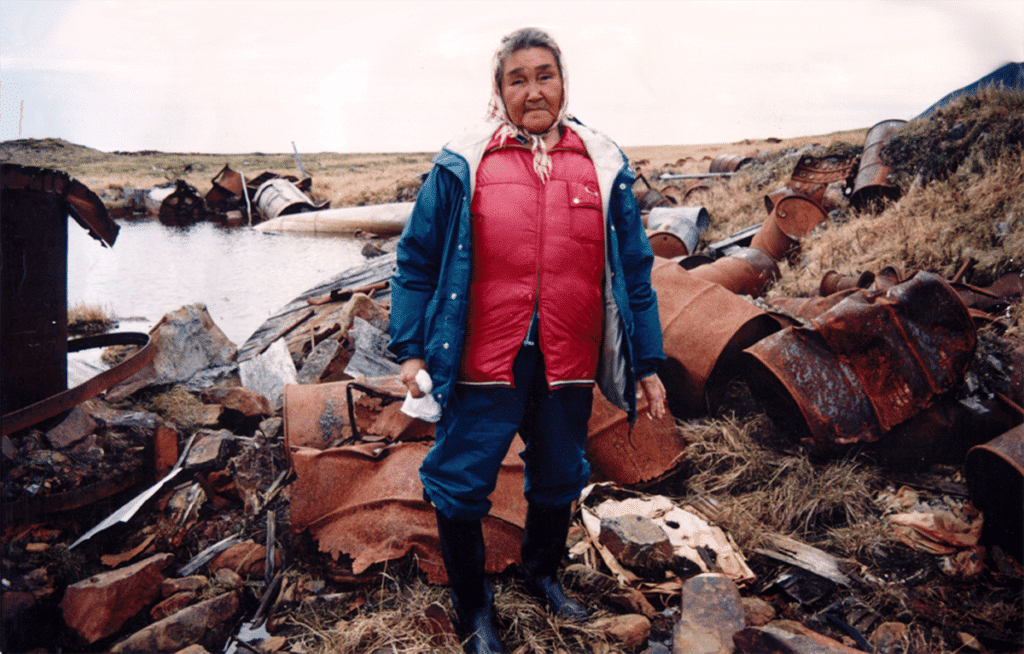
Locally, ACAT won a Pesticide-Free Ordinance for Anchorage, protecting residents and ecosystems from harmful chemicals. They created a Community Cancer Registry on St. Lawrence Island — where Yup’ik communities have lived for generations alongside the toxic legacy of abandoned military bases — to document the contamination in the soil, water, and food supply that was making people sick, and utilize the data to make demands for cleanup. And their Yarducopia program trains residents to create organic gardens, and encourages people to connect with nature, their food, and each other while building a local food system. Beyond Alaska, through their leadership in the International POPs (Persistent Organic Pollutants) Elimination Network — a global coalition working to ban industrial chemicals that accumulate in ecosystems and human bodies — ACAT helped achieve global bans on twelve deadly chemicals that particularly harm Arctic Indigenous communities.
Media:
- Alaska Public Radio, March 14, 2025: Leaders from Alaska’s St. Lawrence Island take contamination claims to U.N.
- National Institute of Environmental Health Sciences: ACAT – Studying Exposure to Legacy Contaminants and Health Effects on Sivuqaq (St. Lawrence Island)