Family Endeavor: The Making of a Foundation
Aaron Norman — born Aaron Nusbaum — made his first fortune selling soft drinks at the World’s Columbian Exposition in Chicago in 1893, one of the largest world’s fairs in history. His second fortune came from his involvement in Sears, Roebuck and Company, where he served as Treasurer and General Manager; he later sold his one-third ownership when he left the company in 1901. Aaron moved his family to New York City in 1912 and became a committed philanthropist — helping to found the Federation of Jewish Philanthropies and supporting a wide range of local charities. In 1935, Aaron formalized that commitment by incorporating the Assistance Fund (which would later become the Norman Foundation), and in May 1936, the fund made its first grants — giving about $3,600 to social welfare causes and cultural institutions. From its very first day of grantmaking, the Assistance Fund was a family endeavor, and when Aaron passed away in July 1936, his children took on leadership roles, ensuring the fund would remain in family hands. In the early years, the fund was finding its identity — one that would gradually shift focus from social welfare toward social justice organizations that would come to define its legacy.
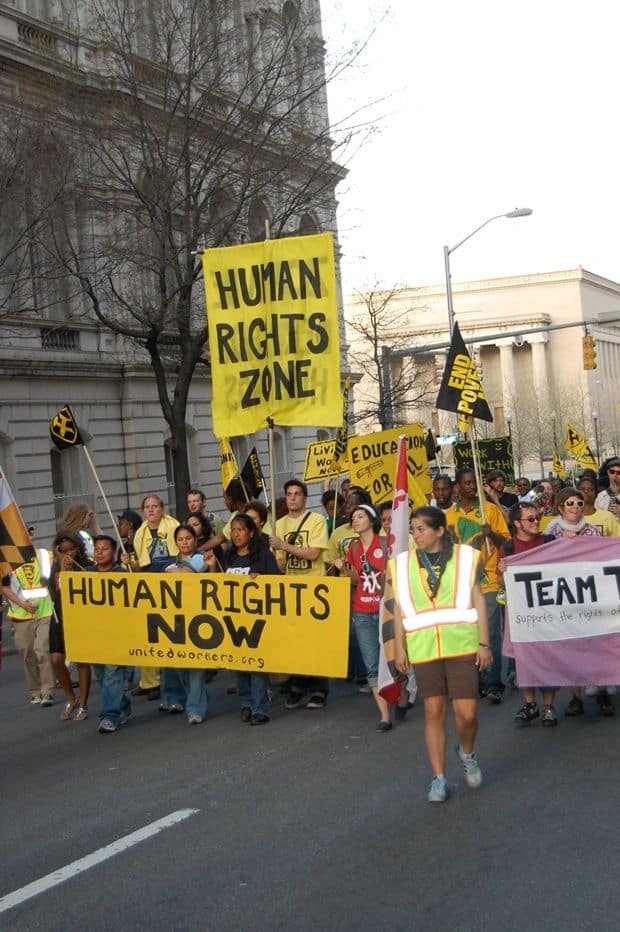
What follows is a record of the fund’s decisions and the organizations it supported — not a claim of credit for their achievements. The grantees highlighted here did the work: organizing communities and building the movements that defined civil rights and reproductive justice, securing protections for marginalized communities, expanding democracy, and more. Philanthropy’s role in social justice is often invisible — as it should be. The most meaningful thing a foundation can do is recognize promising work early, provide resources without strings attached, and stay the course long enough to see ideas become movements, and movements become change. The entries that follow reflect that belief in action — decade after decade, across nearly a century.