- All
- 1930s-1940s
- 1930s-1940s Civil Rights/Civil Liberties
- 1930s-1940s Criminal Justice Reform
- 1930s-1940s Early Funder
- 1930s-1940s Economic Justice
- 1930s-1940s Education
- 1930s-1940s Health
- 1930s-1940s Immigrant Rights
- 1930s-1940s Reproductive Justice
- 1930s-1940s Social Welfare
- 1930s-1940s Women's Rights
- 1930s-1940s Workers' Rights
1936
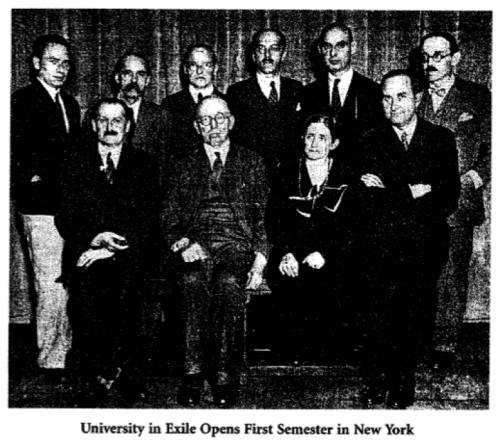
The New School for Social Research (Grantee 1936–1958) was founded in New York City in 1919 by a group of progressive academics committed to free inquiry and adult education. At the time the Assistance Fund began supporting the New School in 1936, the institution was also home to the University…
Read More
1937
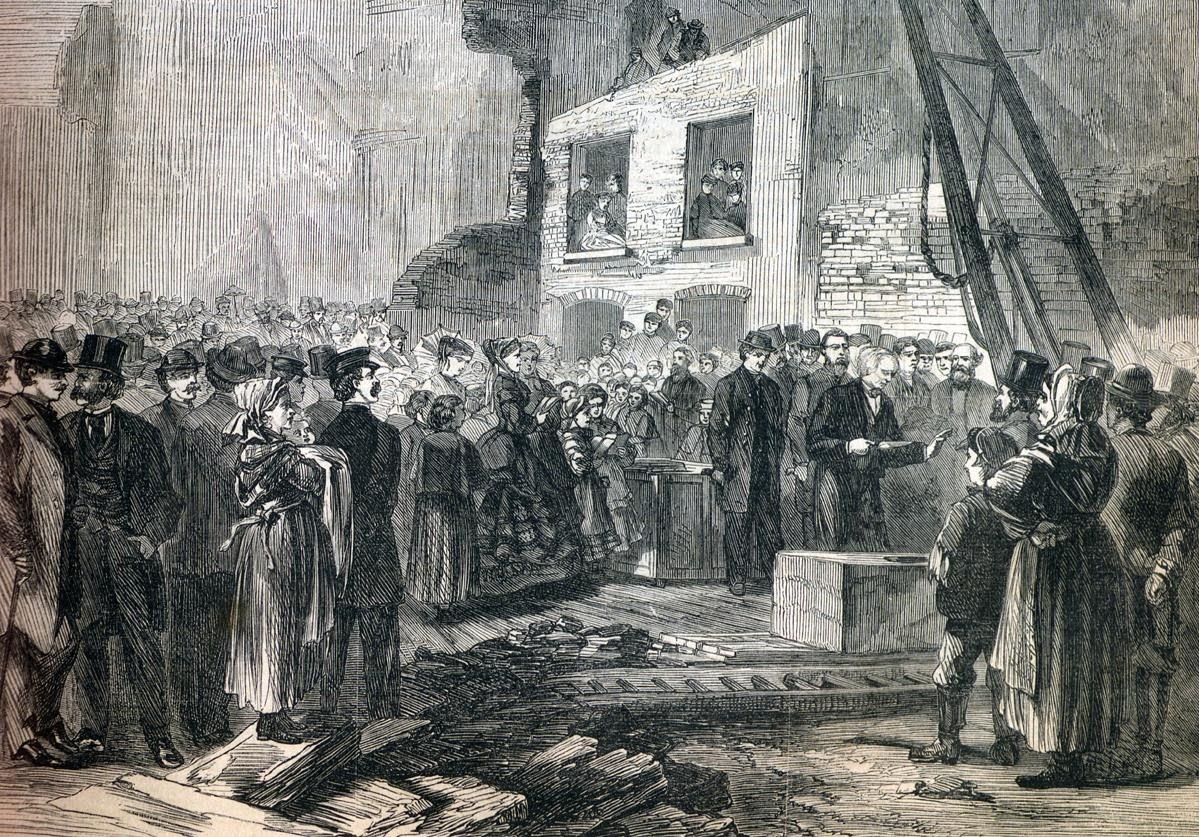
Children’s Village campus in Dobbs Ferry, NY.
New York City in the 1930s was home to thousands of children living in poverty, on the streets, or without stable families — the casualties of the Depression, immigration, and a social safety net that barely existed. The Assistance Fund’s early giving reflected a deep commitment to the organizations stepping…
Read More
1939
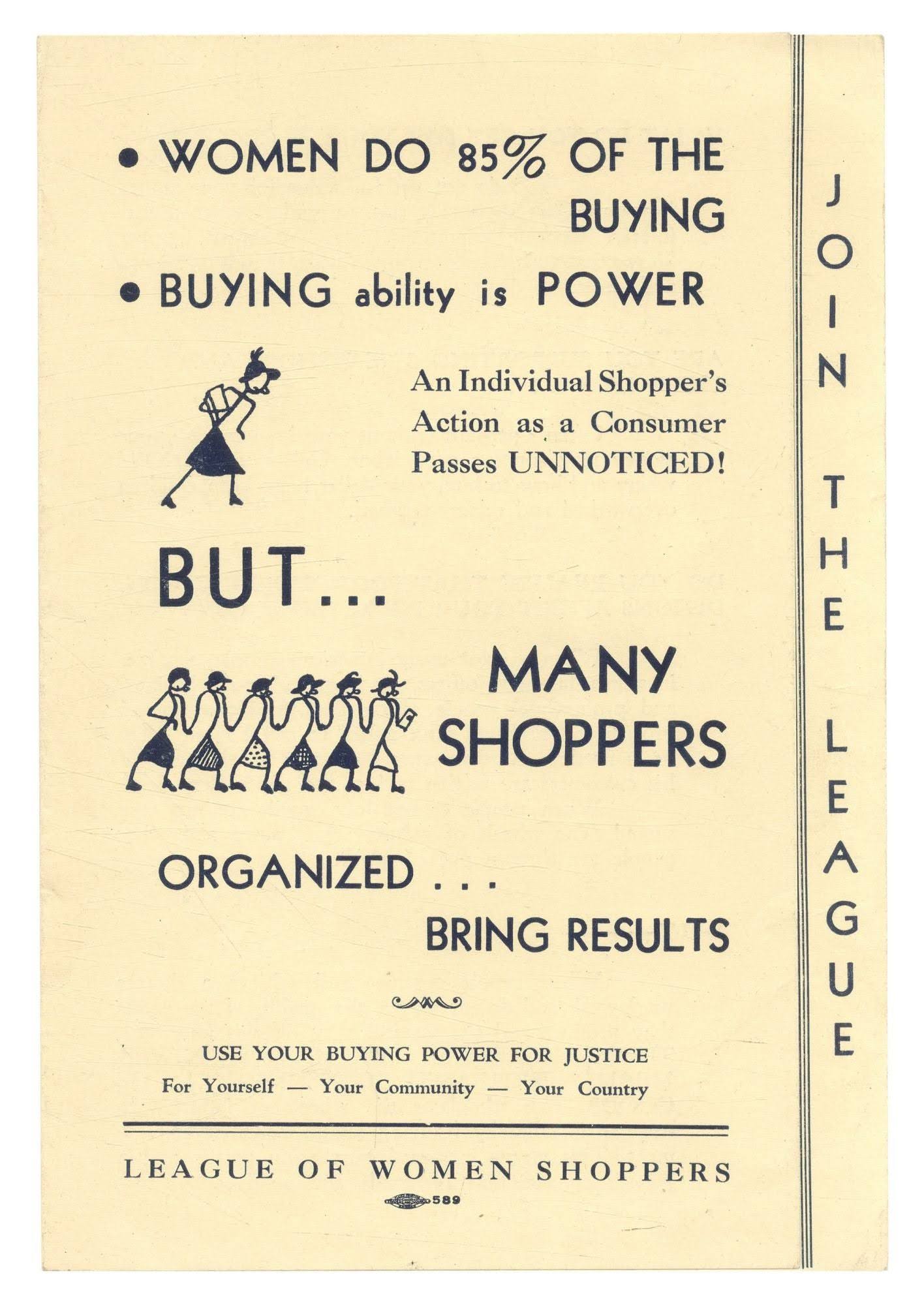
The League of Women Shoppers (LWS, Grantee 1936–1941) was founded in 1935 in New York City by a group of progressive women who believed that consumer power could be a force for social change. Their motto, “Use Your Buying Power for Justice,” captured their approach: organize middle and upper-class women…
Read More
1940
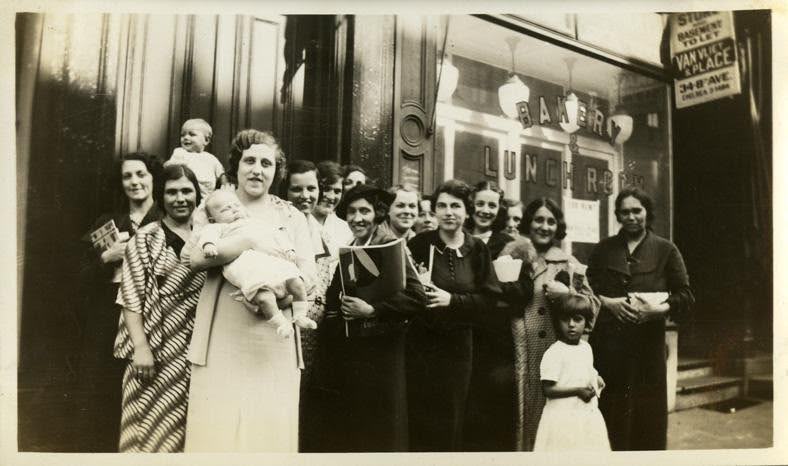
Mothers’ Club organized by the Henry Street Visiting Nurse Service, 1932
The settlement movement — in which educated reformers moved into impoverished urban neighborhoods to provide direct services and advocate for social change — had its greatest champion in Lillian Wald, a nurse who founded Henry Street Settlement in 1893 after witnessing firsthand the poverty endured by immigrants in New York…
Read More
1947
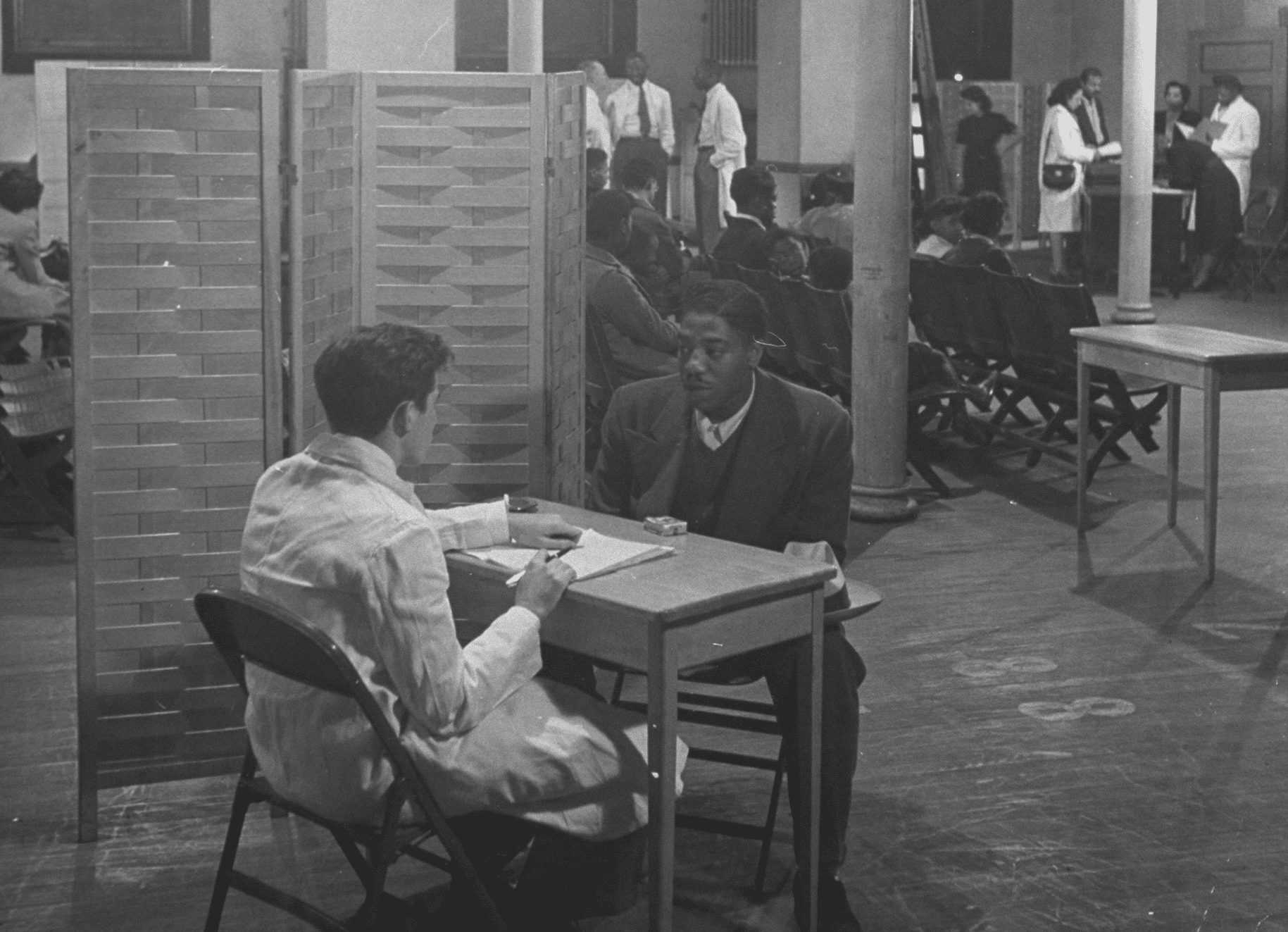
Lafargue Clinic, 1948
The Lafargue Mental Health Clinic (Norman grantee 1947–1950) was founded in 1946 in the basement of St. Philip’s Episcopal Church in Harlem — the result of Black intellectual activism, progressive psychiatry, and the radical Black church tradition. Psychiatrist Fredric Wertham, director of the mental hygiene clinic at Queens General Hospital,…
Read More
1950s
The 1950s opened under the long shadow of McCarthyism — a campaign of political persecution that branded dissent as subversion and silenced progressive organizations across the country. However, the decade also brought some of the most consequential victories in American history. In 1954, the Supreme Court’s landmark ruling in Brown v. Board of Education declared racial segregation in public schools unconstitutional, striking down the legal architecture of Jim Crow, and galvanizing the Civil Rights Movement. The murder of fourteen-year-old Emmett Till in Mississippi in 1955 — and the acquittal of his killers by an all-white jury — outraged a generation and laid bare the brutal reality of racial terror in America. That same year, Rosa Parks’ act of civil disobedience — refusing to give up her seat on a Montgomery, Alabama bus — sparked a 381-day boycott that demonstrated the power of organized, nonviolent mass action. In 1957, as a result of Brown v. Board of Education, nine Black students walked through a jeering mob and a wall of Arkansas National Guard troops to integrate Little Rock Central High School — with federal troops ultimately required to enforce the law. Against this backdrop of hard-won victories and fierce resistance, the Aaron E. Norman Fund deepened its support for the organizations on the front lines of the struggle for civil rights and racial equality.
1952
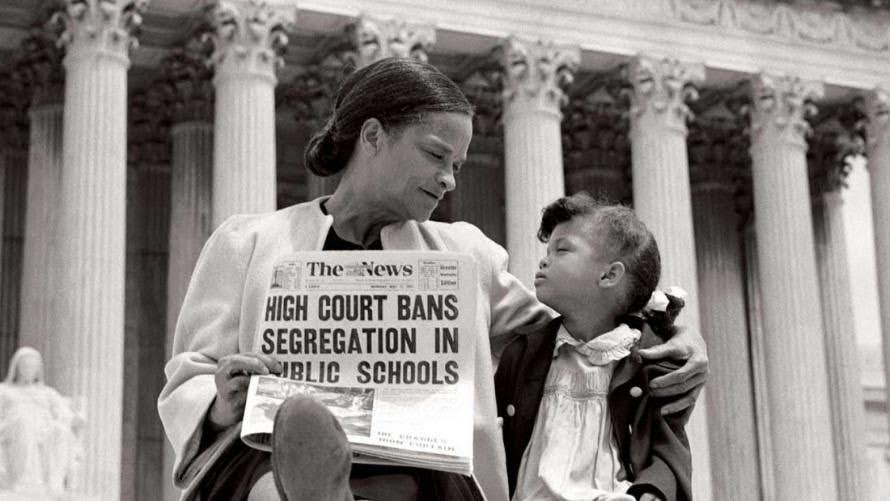
When then-deputy director of the NAACP Legal Defense Fund Jack Greenberg reflected on the organization’s funders in the early 1950s, he recalled that philanthropic support was scarce and modest. As he put it: “A big contribution was $100, and $1,000 was a tremendous gift…A few smaller foundations like Field and…
Read More
1959
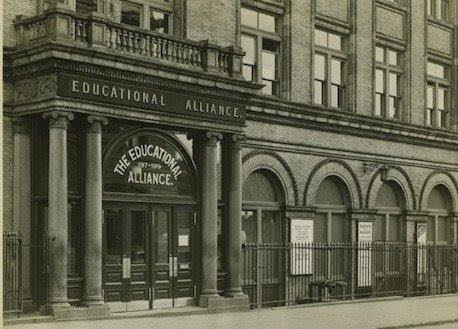
The Educational Alliance (Norman grantee 1956–1959) was founded in 1889 on the Lower East Side as a settlement house serving Jewish immigrants from Eastern Europe — offering English classes, vocational training, cultural programming, and social services; over the decades, it became one of New York’s most beloved community institutions. By…
Read More
1959
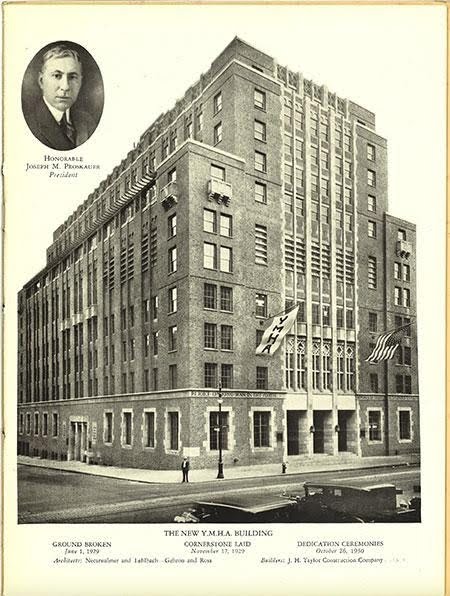
The Young Men’s Hebrew Association (YMHA, Norman grantee 1959) was founded in 1874 to serve the social and spiritual needs of New York’s Jewish community and help immigrants assimilate. In 1927 — years before the Assistance Fund was incorporated — Aaron Norman and his wife Lottie contributed $15,000 to the…
Read More
1960s
The 1960s transformed American political life. The Civil Rights Movement reached its landmark legislative victories with the Civil Rights Act of 1964 and the Voting Rights Act of 1965 — hard-won after years of mass civil disobedience at lunch counter sit-ins, Freedom Rides, and marches that were all met with police violence and white supremacist terror. Alongside the push for racial equality, the decade brought the War on Poverty and a new wave of student and community organizing. Then, as the decade closed, the assassinations of Martin Luther King Jr. and Robert F. Kennedy, the escalation of the Vietnam War, and uprisings in cities across the country signaled that legal victories alone had not resolved the underlying injustices.
The Aaron E. Norman Fund deepened its commitment to racial justice that began in its earliest years. Of the roughly 12,000 foundations operating in mid-20th century America, only a handful provided meaningful support to the organizations leading the Civil Rights Movement — and Norman was one of them. A 2014 report by the National Committee for Responsive Philanthropy, Freedom Funders: Philanthropy and the Civil Rights Movement, singles out Norman as one of the few foundations with a documented record of funding the direct action and legal arms of the movement, noting that its grants provided “crucial monies to the Movement in its formative stages.” Throughout the 1960s, Norman funded the “Big Four” civil rights organizations: CORE (Congress of Racial Equality), the NAACP (National Association for the Advancement of Colored People), SNCC (Student Nonviolent Coordinating Committee) and SCLC (Southern Christian Leadership Conference), while expanding into legal defense, community economic development, and the rights of poor people — laying the groundwork for the broader social justice agenda in the decades ahead.
1961
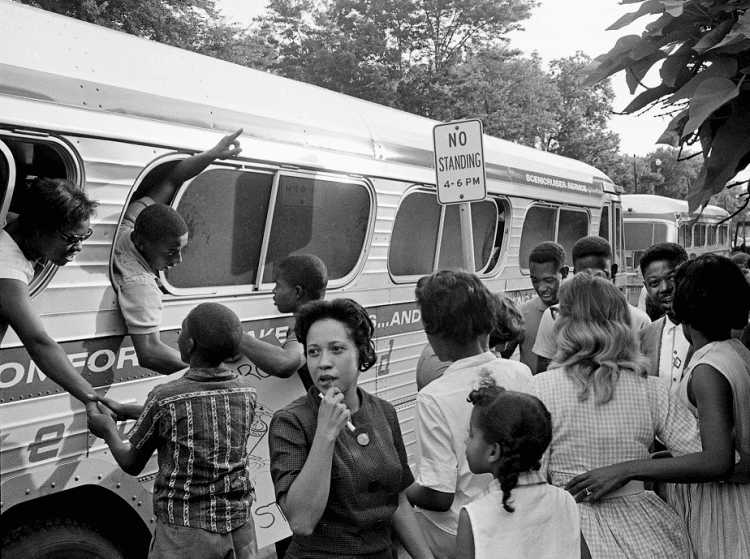
The Congress of Racial Equality (CORE, Norman grantee 1961–1966) launched the Freedom Rides in May 1961, sending interracial groups of primarily college student activists onto interstate buses to challenge the Supreme Court’s ruling in Boynton v. Virginia that segregation in interstate travel was unconstitutional — a ruling that Southern states…
Read More
1963
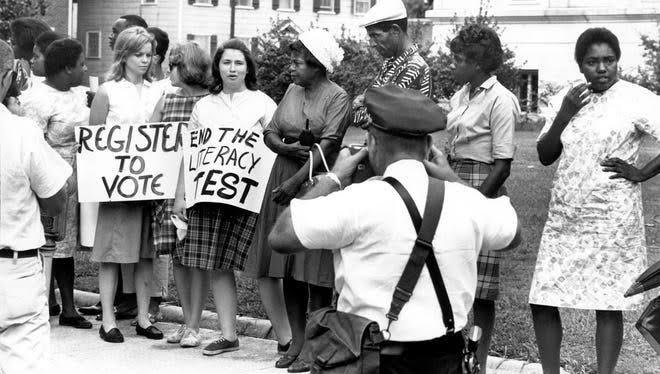
In 1963, Dallas County, Alabama — where Selma is the county seat — had 15,000 Black residents of voting age, and fewer than 300 registered Black voters. Working with SNCC and the Northern Student Movement, the US National Student Association (Norman grantee 1961–1964), launched the Selma Literacy Project to address…
Read More
1964
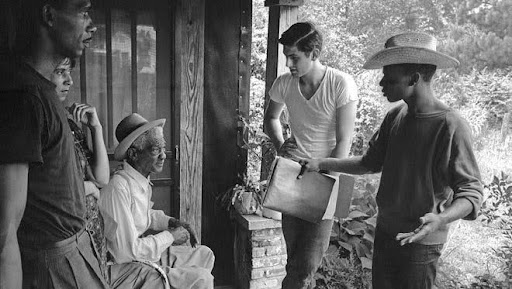
Freedom Summer volunteers urge a Mississippi man to register to vote.
As the movement grew, so did the volume of legal work required to protect demonstrators, challenge discriminatory laws, and press for enforcement of federal protections. Norman supported three interconnected legal organizations: NAACP Legal Defense and Education Fund (Norman grantee 1958–1986): LDF provided representation to the movement’s frontline activists and pursued…
Read More
1969
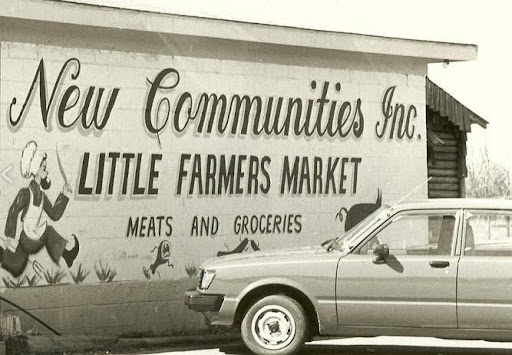
In June 1968, the Aaron E. Norman Fund covered the travel costs for a delegation of seven civil rights leaders from the South to travel to Israel to study two models of cooperative agricultural communities: kibbutz, a collective farming community where all property is shared; and, moshav, a cooperative village…
Read More
1970s
The 1970s opened with the country still reckoning with the unfinished business of the 1960s – the Vietnam War in its final, turbulent years, cities scarred by uprisings, and a political establishment shaken by Watergate that led to the resignation of a president. The decade brought hard-won legislative and judicial victories: Roe v. Wade in 1973 secured the constitutional right to abortion; the Indian Self-Determination and Education Assistance Act of 1975 recognized tribal sovereignty; and, the 1975 extension of the Voting Rights Act protected language-minority voters for the first time, expanding voting rights beyond African Americans to include Latino, Asian American, and Native American communities. But the decade also brought economic turbulence — rising prices, stagnant wages, and growing inequality — as the gap between rich and poor began to widen. Mass incarceration was taking hold, discriminatory practices in employment and land ownership stripped wealth from marginalized communities, and the newly won access to abortion was immediately under threat. New movements took shape in this environment — for farmworkers, women in the workplace, Latino and Native American political power, the rights of LGBTQ+ people — and the Norman Foundation’s grantmaking expanded from civil rights toward a broader vision of economic and social justice.
1972
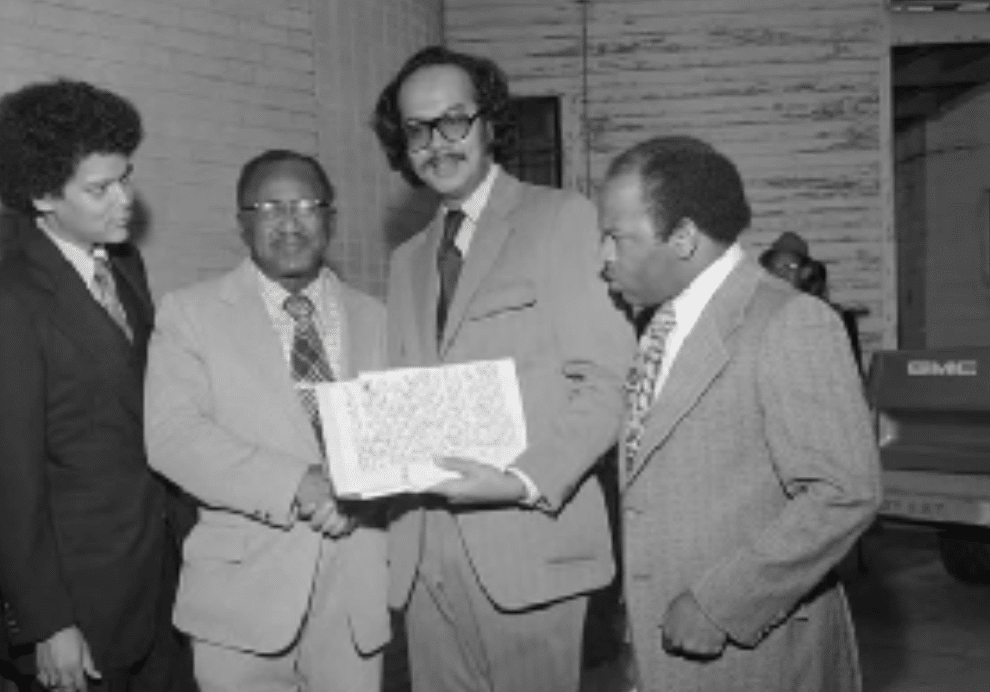
The Scholarship, Education and Defense Fund for Racial Equality (SEDFRE, Norman grantee 1966–1976) was founded in 1963 to provide legal defense, scholarships, and voter registration support to the Civil Rights Movement. By the early 1970s, the movement’s hard-won legislative victories had begun translating into electoral power. Black candidates were winning…
Read More
1974
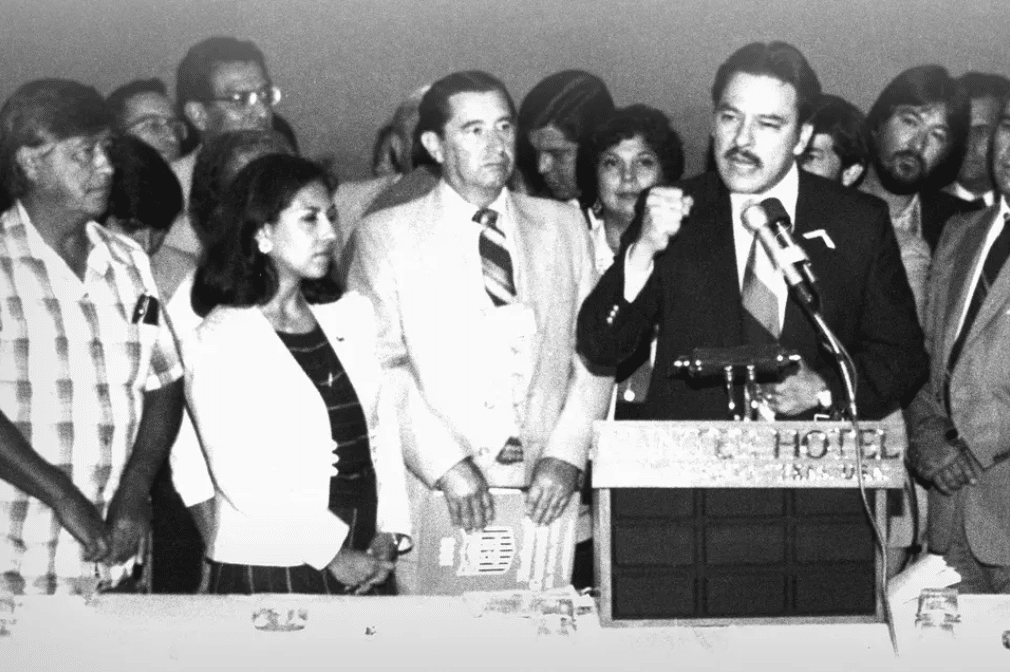
Willie Velásquez, founder of the Southwest Voter Registration Education Project, at the podium.
The Southwest Voter Registration Education Project (SVREP, Norman grantee 1975–1978, 1984–1985) was founded in 1974 in San Antonio, Texas under the motto Su Voto Es Su Voz: Your Vote Is Your Voice. The Voting Rights Act of 1965 largely bypassed Latino communities, whose political exclusion was enforced by at-large electoral…
Read More
1976
Screenshot
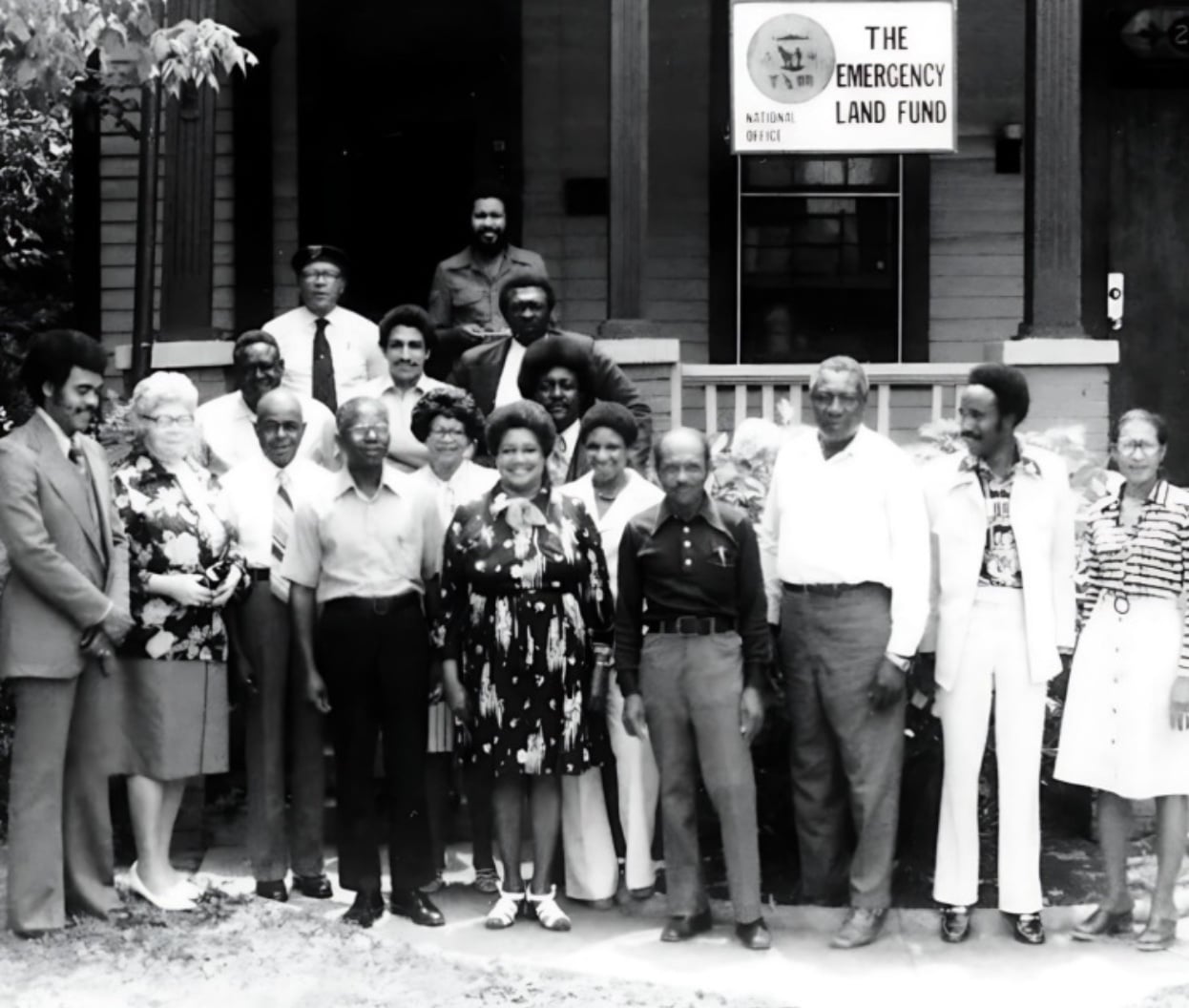
Between 1910 and 1970, Black Americans lost approximately 9 million acres of farmland in the South — a staggering transfer of wealth driven not by market forces alone but by tax sales, predatory legal maneuvers, discriminatory USDA lending, and the particular vulnerability of “heirs’ property”: land passed down through families…
Read More
1977
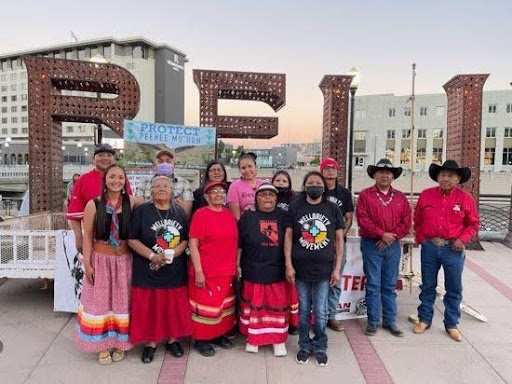
Members of People of Red Mountain, one of Seventh Generation Fund’s affiliates
The Tribal Sovereignty Project (TSP, Norman grantee 1977–1994) was founded in 1977 following the White Roots of Peace Caravan, a cross-country cultural and political gathering of Indigenous leaders. Founded in the era of the American Indian Movement, the Tribal Sovereignty Project emerged in direct response to the Indian Self-Determination and…
Read More
1977
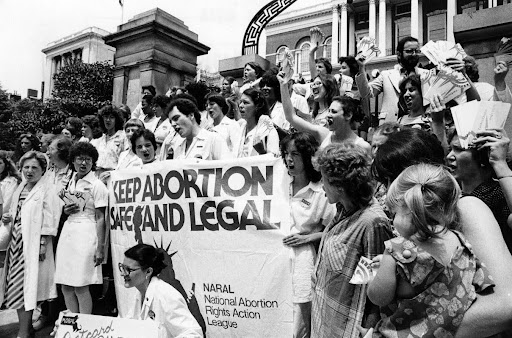
NARAL demonstrators during a rally in favor of abortion rights in Boston, 1979.
When the Supreme Court decided Roe v. Wade in 1973, it established a constitutional right to abortion, but it did not guarantee access to one. Within three years, Congress passed the Hyde Amendment, cutting off Medicaid funding for abortions. Anti-abortion forces organized, physicians refused to perform procedures, and clinics performing…
Read More
1979
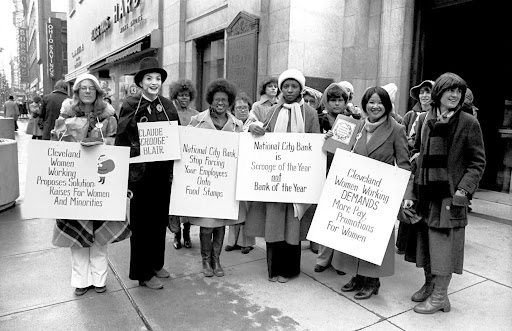
Members of 9to5 Cleveland protesting National City Bank.
By 1978, for the first time in history, more women were employed in the paid workforce than were working exclusively in the home. Most were working out of necessity, as 43 percent of all women who worked were the sole breadwinners of their families. Yet women faced unfair policies and…
Read More
1980s
The 1980s opened with a devastating “double-dip” recession — two downturns in quick succession that drove unemployment to nearly 11 percent by 1982, the highest since the Great Depression — along with record budget deficits, a widening wealth gap, deep cuts to social programs, and massive military spending. The Norman Foundation believed that military spending at these levels undermined rather than strengthened national security and sharpened its focus on three interconnected areas: economic security, individual rights and civil liberties, and national security.
At the same time, women were entering the workplace at record rates, worker cooperatives were proliferating, and grassroots movements were building on their achievements from the 1970s. The Foundation prioritized organizations working to improve economic conditions for working-class and low-income communities and invested in skills training and broad-based civic mobilization to amplify the voice of historically underrepresented populations — Black people, Latinos, women, and youth — in the democratic processes shaping their lives.
1980
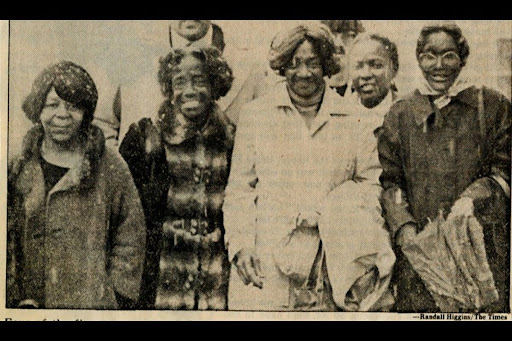
Four of the "Chattanooga Five" with one of their attorneys after their 1982 victory. From left: Opal Jackson, Katherine Johnson, Viola Ellison, attorney Betty Lawrence Bailey, and Lela Mae Evans
In 1979, armed Ku Klux Klan members attacked an SCLC-organized civil rights march in Decatur, AL, narrowly missing SCLC President Joseph Lowery and his wife; in the same year, five demonstrators were murdered by Klansmen and Nazis in Greensboro, NC, sparking a surge in organized white supremacist violence and galvanizing…
Read More
1982
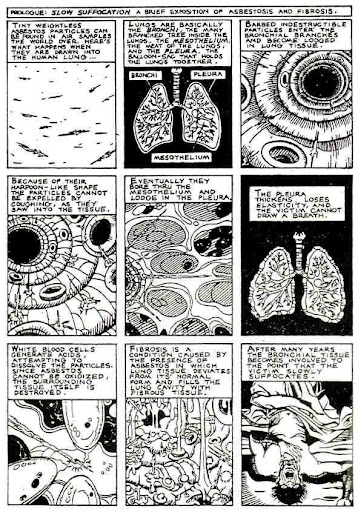
Credit: George di Caprio and W.W. Greenwood (without permission)
The White Lung Association (WLA, Norman grantee 1980–1982) was founded in 1979 in San Pedro, CA, by shipyard workers exposed to asbestos on the job, and was the first asbestos victims’ organization in the United States. WLA organized workers to demand medical screenings, file compensation claims, and push for reforms…
Read More
1983
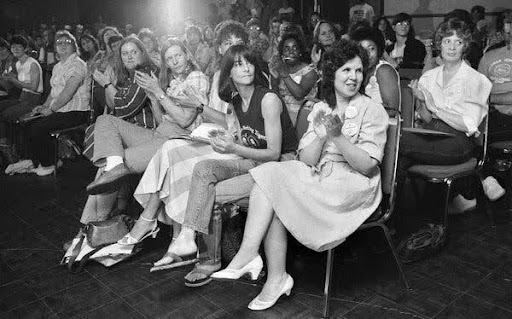
Betty Jean Hall, front right, in 1984.
The Coal Employment Project (CEP, Norman grantee 1983–1987) was founded in 1977 by Kentucky-born attorney Betty Jean Hall to fight deeply-rooted discrimination patterns that kept women out of one of the only well-paying industries in Appalachia. Hall documented that 99% of all coal miners were men and filed a landmark…
Read More
1990s
The 1990s opened with promises of prosperity and progress — but for many communities, the decade delivered something far more complicated. The passage of the North American Free Trade Agreement (NAFTA) in 1994 that opened markets between the United States, Canada, and Mexico, combined with the 1996 Farm Bill’s elimination of longstanding price supports, accelerated the corporate takeover of agriculture that devastated independent family farmers unable to compete with large-scale industrial farms. Displaced Mexican farmers fueled a wave of immigration that met a rising tide of hostility: California’s Proposition 187, passed by voters in 1994, sought to deny public services to undocumented immigrants; sweeping federal welfare and immigration laws of 1996 went further, stripping even legal permanent residents of access to federal benefits they paid taxes to support. Scholars and journalists sounded the alarm about a broader erosion of civic participation: declining voter turnout, weakening community institutions, and a public increasingly disengaged from democratic life. Anti-government fury was also finding a more dangerous outlet, with organized far-right movements building grassroots power at school boards and community meetings and creating a climate of fear that drove people away from civic life; the Oklahoma City bombing in 1995 brought that threat into the national spotlight. By the late 1990s, the rise of the internet and information technology was generating new concentrations of wealth — but that prosperity remained deeply uneven, bypassing low-income people and communities of color who needed it most. The Norman Foundation responded by investing in organizations fighting to keep family farms alive, defend immigrant rights, counter far-right organizing, and rebuild the grassroots civic power that sustains democracy.
- All
- 1990s
- 1990s Civil Rights/Civil Liberties
- 1990s Community Safety
- 1990s Criminal Justice
- 1990s Early Funder
- 1990s Economic Justice
- 1990s Education
- 1990s Environmental Justice
- 1990s Food Justice
- 1990s Health
- 1990s Immigrant Rights
- 1990s Native Rights
- 1990s Voting Rights and Voter Engagement
- 1990s Workers' Rights
- 1990s Youth Organizing
1992
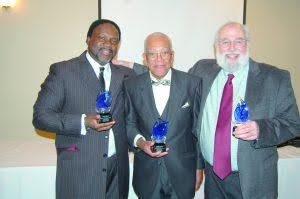
Southern Echo co-founders Leroy Johnson, Hollis Watkins, Mike Sayer
Southern Echo (Norman grantee 1992–2001, 2007) was co-founded in 1989 by Leroy Johnson, Mike Sayer, and Hollis Watkins — a civil rights leader who organized some of the first Woolworth sit-ins in Mississippi in 1961 and registered Black voters during Freedom Summer. The organization is based on the principle that…
Read More
1992
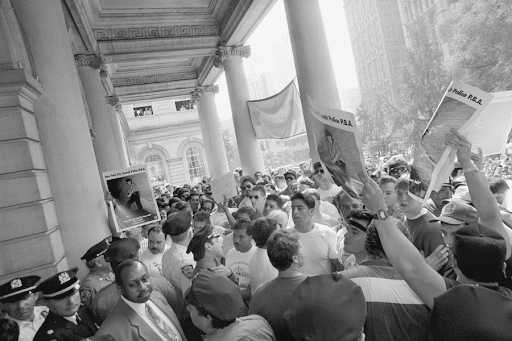
Police Benevolent Association Riot, 1992
The assault of Rodney King by Los Angeles police officers in 1991 — captured on video and broadcast around the world — and the uprising that followed the acquittal of those officers in 1992, forced a long-overdue national conversation about police violence, racial injustice, and the lack of meaningful accountability…
Read More
1992
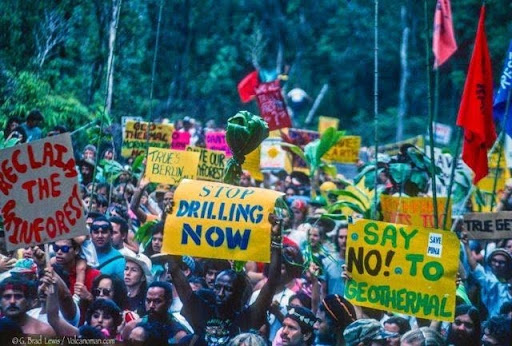
Protesters at a demonstration on March 25, 1990
Founded in 1985 to defend Native Hawaiian rights, the Pele Defense Fund (PDF, Norman grantee 1990, 1992) fought to stop geothermal energy development in Wao Kele O Puna — a sacred rainforest on the Big Island of Hawaii associated with the volcano goddess Pele — arguing that drilling on the…
Read More
1995
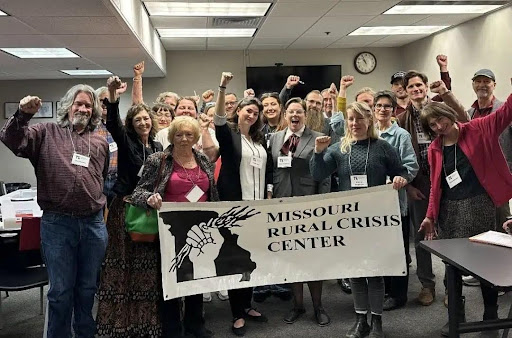
Members of the Missouri Rural Crisis Center
The farm crisis of the 1980s drove tens of thousands of American farms out of business and pushed rural suicide rates to their highest levels since the Great Depression. In the 1990s, a new threat emerged: the systematic corporate takeover of agriculture through contract farming, factory farms, and agribusiness consolidation…
Read More
1996
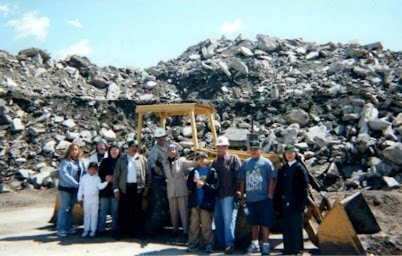
La Causa members at La Montaña in Southeast Los Angeles
Founded in 1978, Communities for a Better Environment (CBE, Norman grantee 1995–2001, 2007) combines community organizing, scientific research, and legal advocacy to fight industrial pollution in low-income communities of color across California. CBE and concerned residents of Southeast Los Angeles — a predominantly Latino and immigrant community surrounded by industry…
Read More
1997
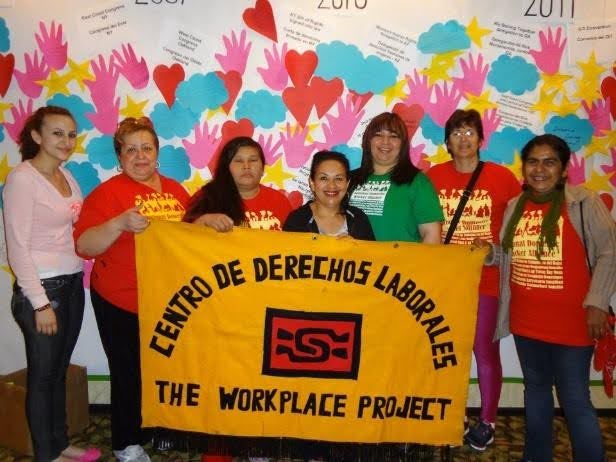
Members of the Workplace Project.
Founded in 1992 in Hempstead, NY, as one of the first worker centers in the country, the Workplace Project (Norman grantee 1994–2003) was established to help end the exploitation of Latino immigrant workers — mostly Salvadoran refugees who had fled the brutal repression and civil war in their country, and…
Read More
2000s
The first decade of the new millennium brought both devastating crises and extraordinary moments of hope. The September 11 attacks — the deadliest terrorist attack on American soil — killed nearly 3,000 people in New York, Virginia, and Pennsylvania, and reshaped national priorities overnight, unleashing a War on Terror abroad and a wave of anti-immigrant sentiment at home. Massive layoffs followed, and a decades-long trend toward deregulation weakened environmental protections and reduced enforcement of workplace safety and wage laws. Hurricane Katrina in 2005 killed more than 1,800 people and displaced more than one million residents along the Gulf Coast, exposing the deep racial and economic inequities that determined who survived, who was rescued, and who was left behind. The 2008 financial crisis, driven by predatory lending of subprime mortgages led to more than six million foreclosures across the country. In a decade when the wealth gap reached levels not seen since the 1920s, median wealth fell among low-income communities of color from 2005 to 2009: by 66% among Hispanic households and 53% among Black households, compared to 16% among white households. Then came the election of Barack Obama, the first Black person elected President of the United States, a historic moment of hope that triggered a fierce backlash, with the Tea Party movement mobilizing to oppose Obama’s agenda and setting the stage for battles over government’s role that would define the decades to come.
Through it all, Norman’s grantees continued organizing and fighting for living wages, worker centers, community benefits agreements, and tax reform. They built intergenerational and cross-cultural coalitions — immigrant workers alongside Black workers, youth and parents, Native communities and their non-Native allies — and led campaigns where the people closest to the problem led the process of identifying solutions and winning concrete material change for their communities.
2001
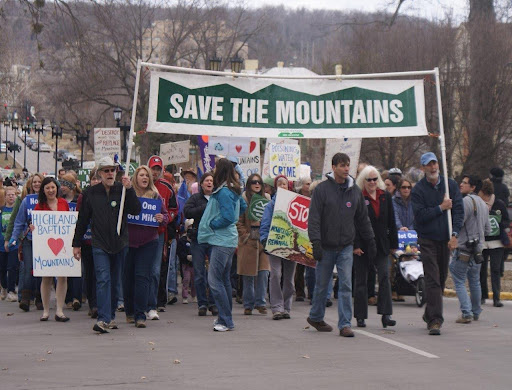
Kentuckians for the Commonwealth (KFTC, Norman grantee 1993–2002) is a membership-based grassroots organization with deep roots in eastern Kentucky’s coal fields. Norman supported its predecessor organization, the Kentucky Fair Tax Coalition, in the early 1980s, which at the time focused on reforming the commonwealth’s tax laws to require coal and…
Read More
2003
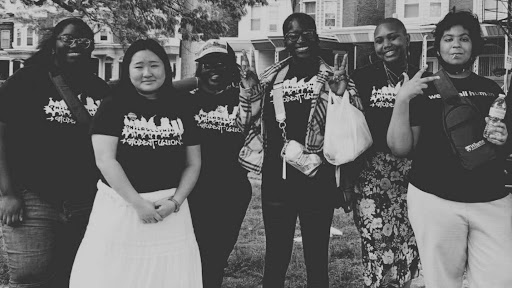
Founded in 1995, Philadelphia Student Union (PSU, Norman grantee 2002–2009) organizes low-income high school students to fight for high-quality education in the Philadelphia school system and transform schools and communities. In the years that Norman funded PSU, Philadelphia’s school system was plagued by underfunding, harsh discipline, and the silencing of…
Read More
2004
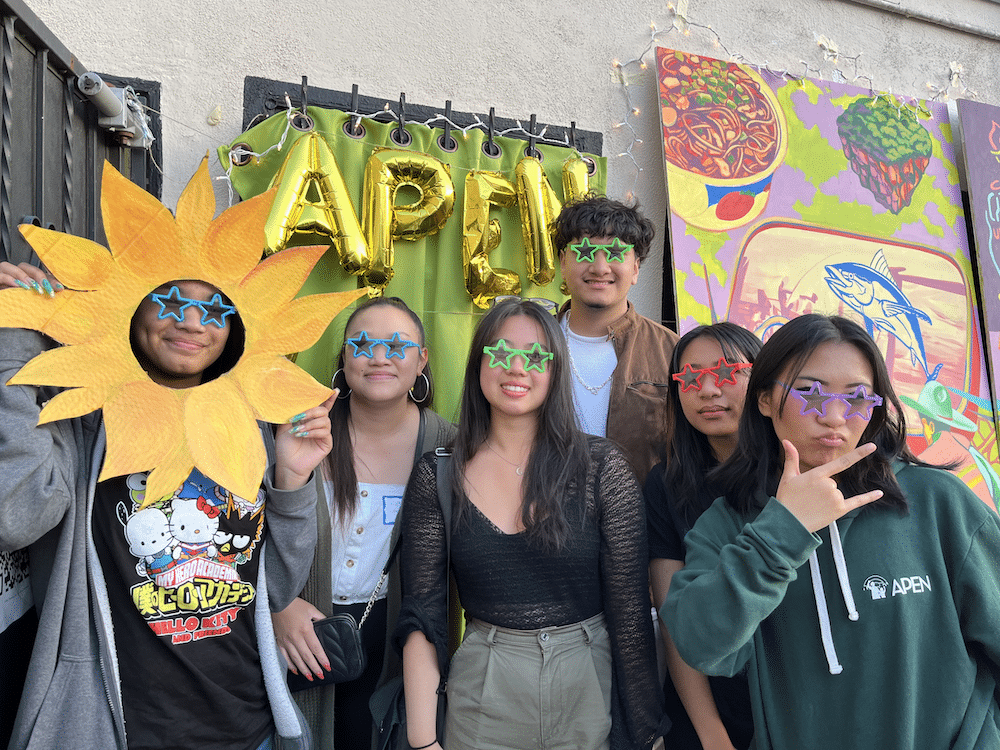
The Asian Pacific Environmental Network (APEN, Norman grantee 1999–2004) was created in 1993 to organize low-income Asian immigrant and refugee communities in the San Francisco Bay Area who were facing some of the most hazardous environmental conditions in the country. In Richmond, CA, nearly 10,000 Laotian refugees lived surrounded by…
Read More
2007
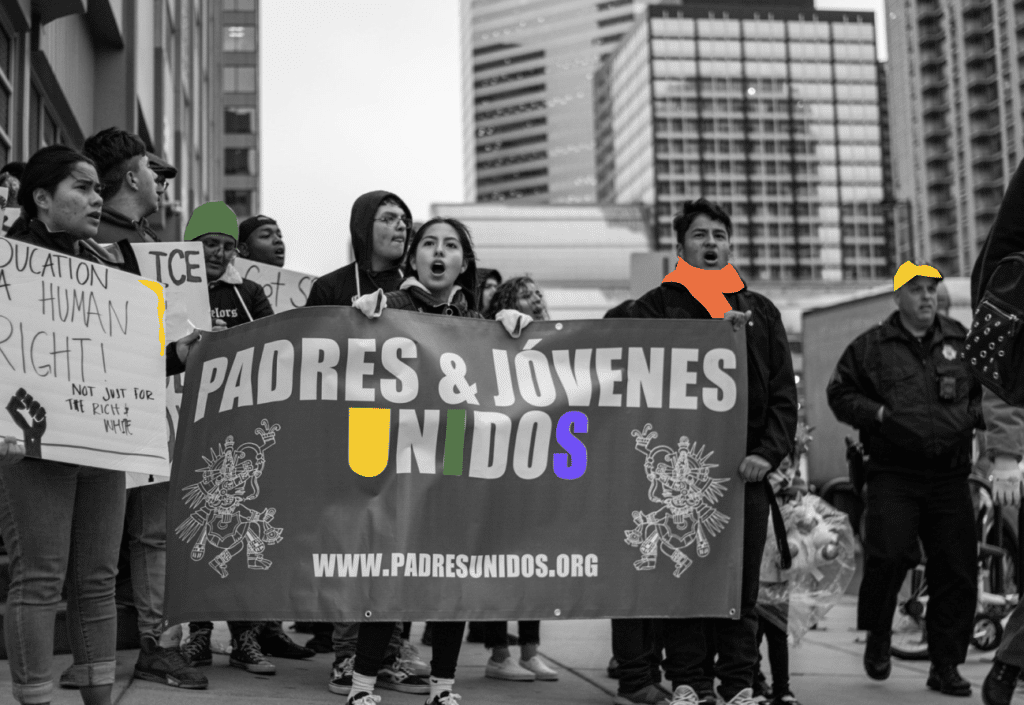
Youth organizers from Padres y Jóvenes Unidos
Founded in 1991, Padres y Jovenes Unidos (PJU, Norman grantee 2002–2007) traces its roots to a group of immigrant parents who came together after a local elementary school forced their children to eat off the floor as a form of discipline. From that founding moment of outrage, the parents built…
Read More
2009
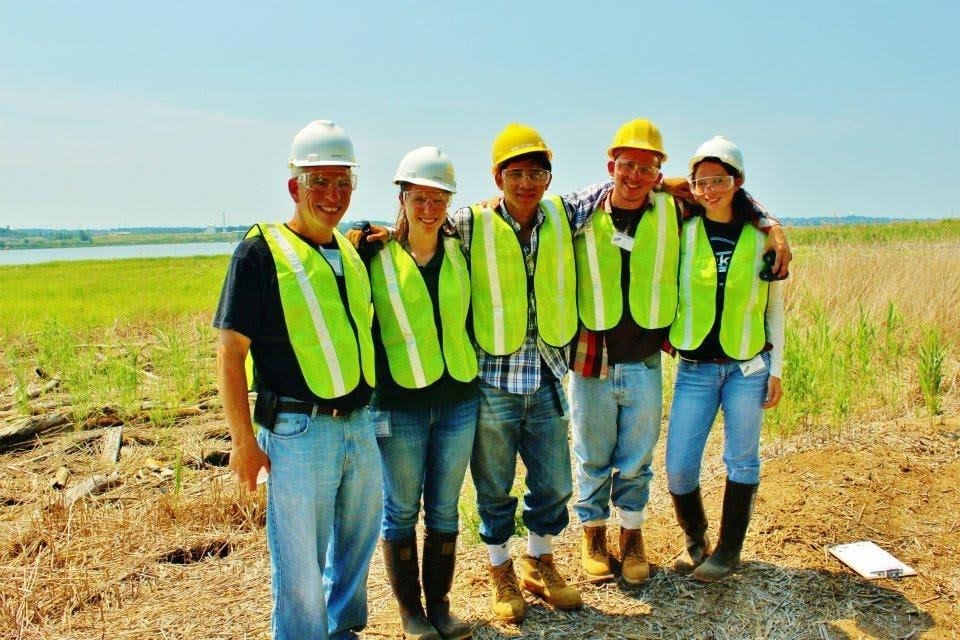
Edison Wetlands Association (EWA, Norman grantee 2008–2015) was established in 1989 to protect the public health and environment of New Jersey. In the early 2000s, New Jersey was the most contaminated state in the country, with 114 Superfund sites — federally designated areas contaminated by hazardous waste that the EPA…
Read More
2010s
The 2010s opened under the long shadow of the Great Recession with a 9.6% unemployment rate; by October 2010, the economy began a remarkable turnaround, kicking off an unprecedented 113 consecutive months of job growth — however, the recovery was uneven. Fifty-eight percent of jobs created coming out of the recession were in lower-wage industries — retail, service, domestic work, and the growing gig economy — and Black and Latino workers were disproportionately concentrated in those sectors, where wages grew slowly and benefits were scarce. Climate disasters of the decade — Superstorm Sandy, Hurricane Irma, and Hurricane Harvey — disproportionately devastated low-income communities, leaving them without power, housing, and a clear path to recovery. Communities of color were also deeply affected by the 2013 Supreme Court’s decision in Shelby County v. Holder that gutted key provisions of the Voting Rights Act, opening the door to a wave of voter suppression laws, including strict ID requirements, voter purges, and shuttered polling places.
In each arena — the economy, the environment, and the ballot box — those with the least resources suffered the greatest harm; and yet, the decade was also marked by organizing energy and moral clarity. The Fight for $15, launched by fast food workers in New York City in 2012, won minimum wage increases in cities and states across the country. The Black Lives Matter movement — ignited by the killings of Trayvon Martin in 2012 and Michael Brown in 2014 — put racial justice at the center of the national conversation with a new generation of activists at the forefront. The Standing Rock encampment, where Indigenous water protectors fought against the Dakota Access Pipeline, built solidarity across Native and climate justice movements in 2016. Through it all, Norman’s grantees led grassroots organizing campaigns — from tomato fields of Florida and warehouses of Chicago, to fenceline communities of Louisiana and overburdened neighborhoods of Baltimore — to build power and win concrete victories.
- All
- 2010s
- 2010s Civil Rights/Civil Liberties
- 2010s Climate Justice
- 2010s Community Safety
- 2010s Criminal Justice
- 2010s Early Funder
- 2010s Economic Justice
- 2010s Environmental Justice
- 2010s Food Justice
- 2010s Health
- 2010s Housing Justice
- 2010s Immigrant Rights
- 2010s Native Rights
- 2010s Voting Rights and Voter Engagement
- 2010s Workers’ Rights
- 2010s Youth Organizing
2010
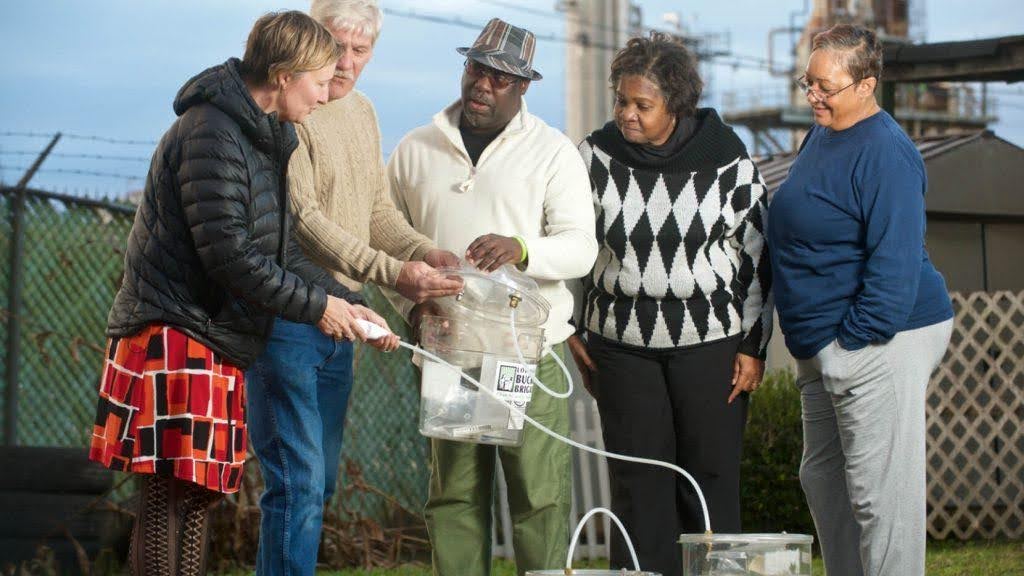
The Louisiana Bucket Brigade (LABB, Norman grantee 2004–2013) is an environmental justice organization founded in 2000 to train fenceline residents in Louisiana’s Cancer Alley — the 85-mile stretch of petrochemical plants along the Mississippi River between New Orleans and Baton Rouge — to monitor, document, and fight back against industrial…
Read More
2011
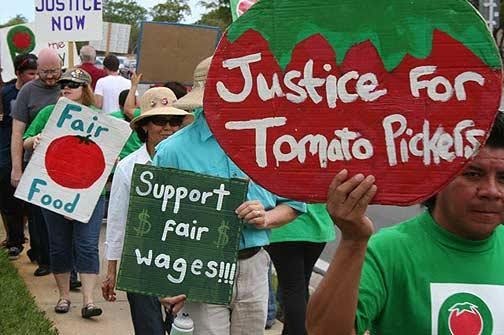
Coalition of Immokalee Workers members lead a demonstration to pressure Publix to join the Fair Food Program.
Founded in 1993, the Coalition of Immokalee Workers (CIW, Norman grantee 2008–2015) is led by immigrant farmworkers who organize for better wages, safer working conditions, and human rights. CIW built a broad coalition of students, faith communities and unions, linking farmworkers with allies across the country. They launched targeted boycotts…
Read More
2015
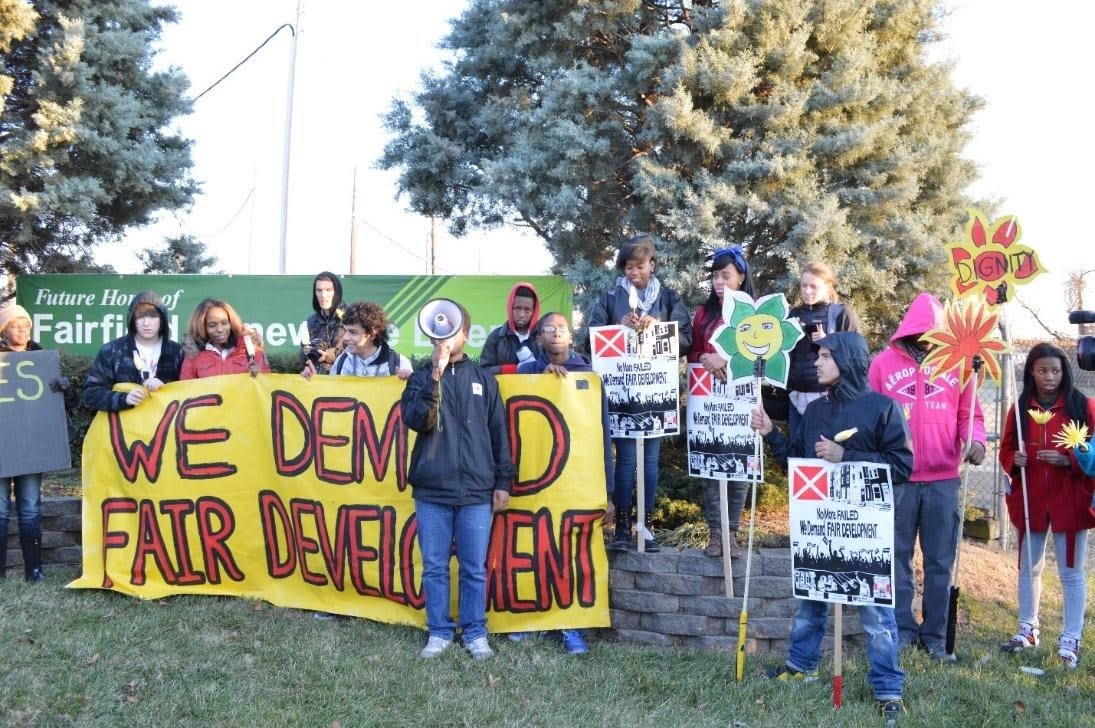
Youth members of UWA’s Free Your Voice program.
In 2002, homeless and unemployed residents of Baltimore founded United Workers Association (UWA, Norman grantee 2010–2021) as a human rights organization focused on ending poverty. They built a grassroots base of over 3,000 members that won increased wages for homeless temporary workers who cleaned the Camden Yards stadium; secured over…
Read More
2016
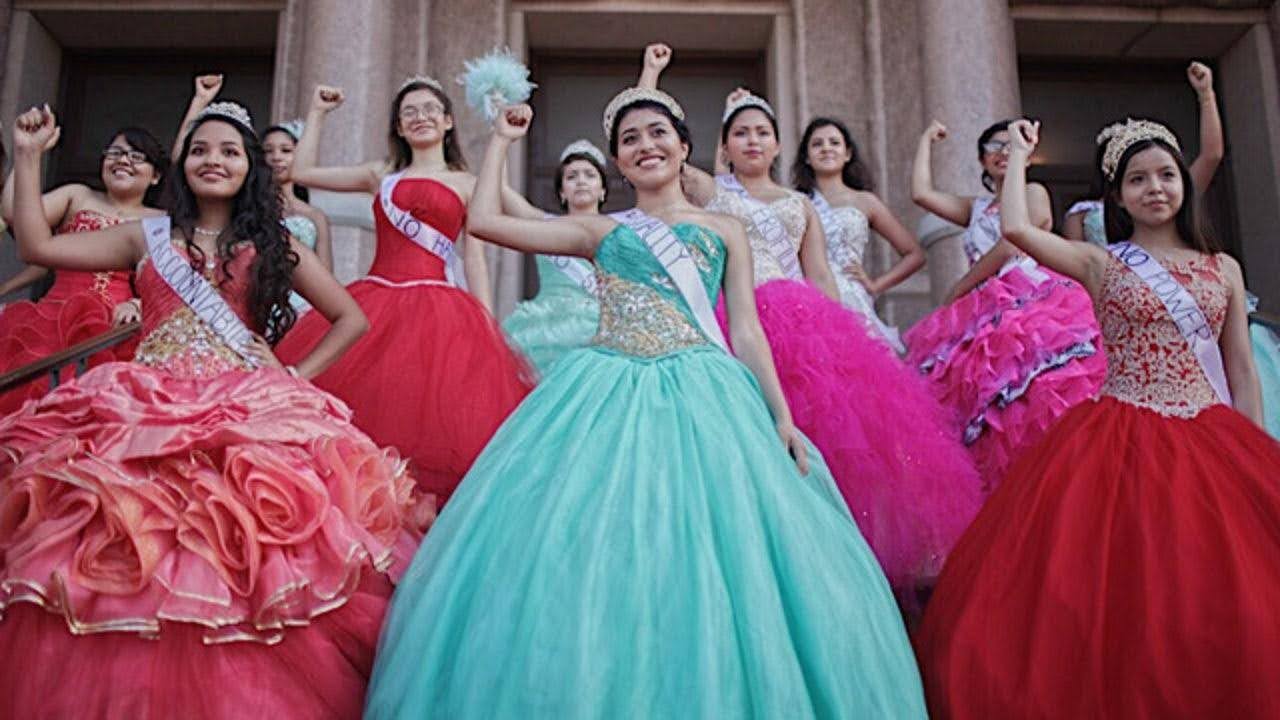
An action at the capital to protest SB4.
The Jolt Initiative (Norman grantee 2016–2019) was founded in 2016 by Cristina Tzintzun — the co-founder of Norman grantee Workers Defense Project — to build the civic power of the nearly 11 million Latinos who call Texas home. They engage Latino youth, women, and mothers in year-round grassroots organizing, leadership…
Read More
2017
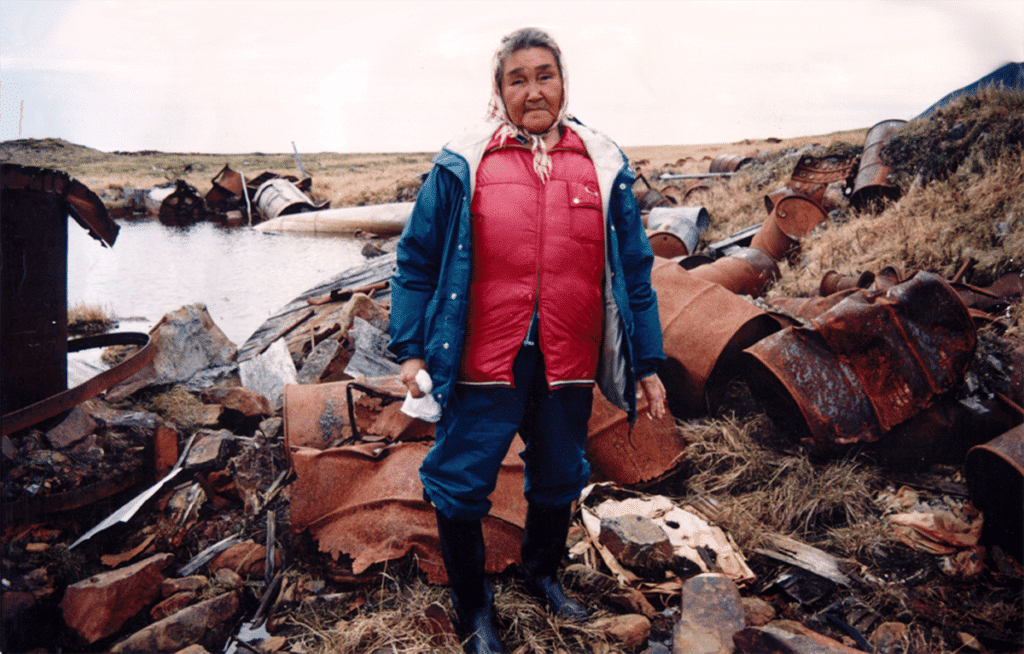
Annie Alowa (1924-1999), a health aid from St. Lawrence Island who worked with ACAT to seek justice and accountability from the military.
Since its founding in 1997, Alaska Community Action on Toxics (ACAT, Norman grantee 2008–2019) has engaged Native Alaskan communities in advocacy efforts for local, state, national and international policies to protect air, water, and food from industrial and military contamination. ACAT’s model is built on collaboration — bringing together Native…
Read More
2018
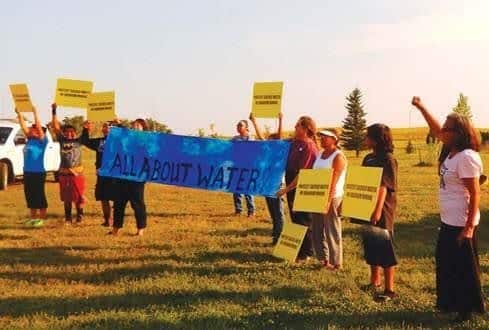
Owe Aku members staged protests against uranium mining throughout a week of hearings over Cameco Corp’s permit renewal application in Crawford, Nebraska.
Owe Aku (Norman grantee 2013–2023) was founded in 2012 to engage Native American tribes, Canadian First Nations, and non-Native allies in intergenerational organizing campaigns to preserve Native culture and protect sacred water and land. Through their Moccasins on the Ground program, Owe Aku provided training in non-violent direct action to activists…
Read More
2020s – Current
The 2020s brought an unprecedented convergence of crises — from the COVID-19 global pandemic and economic collapse to police killings, climate disasters, and U.S. Supreme Court decisions on abortion rights and voting rights — that disproportionately impacted people of color, women, and low-income communities. From 2020 through 2023, more than 1.1 million Americans lost their lives to COVID-19, a public health emergency that shuttered schools and businesses, triggered mass unemployment, and put one-third of nonprofit organizations at risk of closing. The 2020 killings of George Floyd and Breonna Taylor by police ignited a global racial reckoning, sending millions into the streets to demand accountability and racial justice.
During this time, Norman grantees pivoted to mutual aid, advocacy for eviction and utility shutoff protections, and campaigns to divest from the police and invest in community programs. They also shifted from in-person canvassing and events to digital organizing and civic engagement, mobilizing voters to safely cast their ballots in record numbers amidst voter suppression efforts targeting low-income communities of color.
Since the Supreme Court overturned Roe v. Wade in 2022 — and the new federal administration began dismantling environmental protections, immigrant rights, and voting rights in 2025 — Norman grantees have continued to be on the frontlines, defending civil liberties while building the multiracial, cross-class coalitions needed for lasting change.
- All
- 2020 – Current
- 2020s Climate Justice
- 2020s Community Safety
- 2020s Criminal Justice
- 2020s Early Funder
- 2020s Economic Justice
- 2020s Environmental Justice
- 2020s Health
- 2020s Immigrant Rights
- 2020s Reproductive Justice
- 2020s Voting Rights and Voter Engagement
- 2020s Women’s Rights
- 2020s Workers’ Rights
- 2020s Youth Organizing
2021
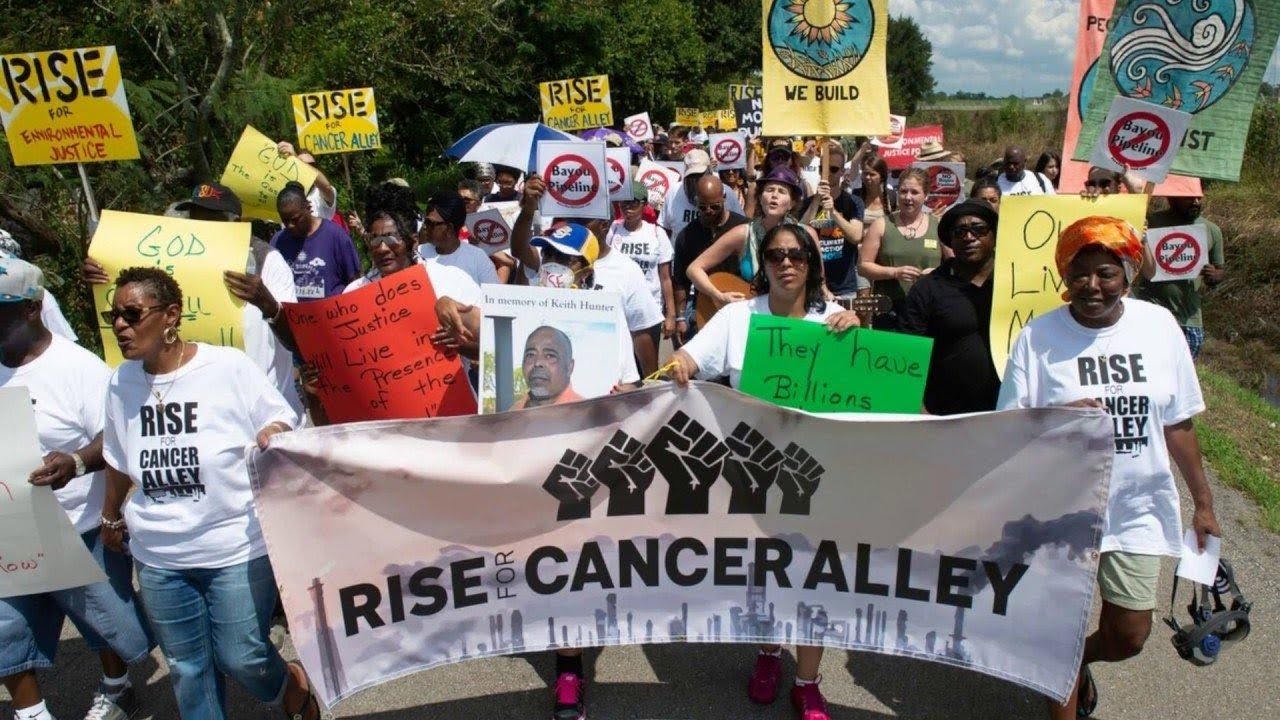
RISE St. James (Norman grantee 2019–2026) was founded in 2018 by Sharon Lavigne, a lifelong resident of St. James Parish in Louisiana’s “Cancer Alley,” an 85-mile stretch along the Mississippi River between Baton Rouge and New Orleans that is home to over 150 industrial plants with toxic emissions linked to…
Read More
2023
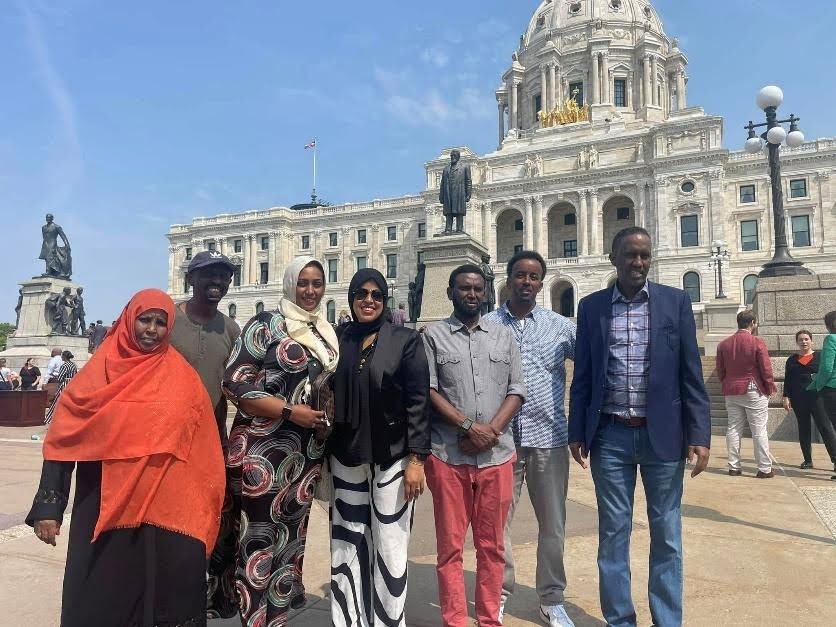
Awood Center staff and members at the State Capital for signing of the Warehouse Worker Protection Act into law.
The Awood Center (Norman grantee 2019–present) — “Awood” means “power” in Somali — was founded in 2017 in Minneapolis to build power and leadership in the East African community in response to labor abuses experienced by immigrants and refugees in low-wage jobs, particularly in Amazon warehouses in the Twin Cities.…
Read More
2024
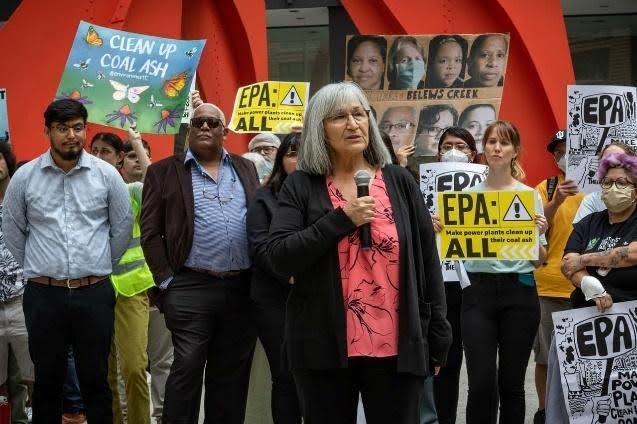
People’s Delegation Rally During the EPA Hearing in Chicago, IL. Photo credit: Just Transition Northwest Indiana
Just Transition Northwest Indiana (JTNWI, Norman grantee 2022–present) is a grassroots environmental justice organization founded in 2020 by Michigan City, IN, residents concerned about the Northern Indiana Public Service Company’s (NIPSCO) coal ash crisis. NIPSCO had plans to phase out its remaining coal plant while relying on EPA policy loopholes…
Read More
2025
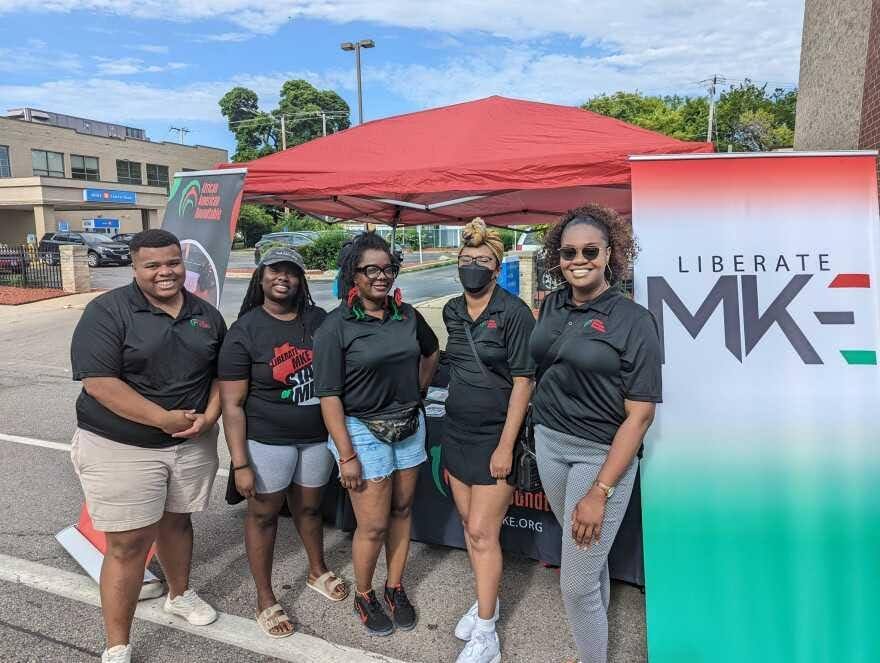
Photo credit: African American Roundtable
The African American Roundtable (AART, Norman grantee 2021–present) was founded in 2012 with over 20 Black-led organizations to collectively develop a long-term plan for improving the quality of life for Milwaukee’s Black communities through year-round grassroots organizing. In 2019, AART launched Liberate MKE, a campaign to divest from the police…
Read More