As corporate agribusiness tightens its grip on rural America, Norman grantees fight to keep family farms alive.
The farm crisis of the 1980s drove tens of thousands of American farms out of business and pushed rural suicide rates to their highest levels since the Great Depression. In the 1990s, a new threat emerged: the systematic corporate takeover of agriculture through contract farming, factory farms, and agribusiness consolidation that would squeeze independent family farmers out of existence and hollow out rural communities across the country. Three Norman grantees fought back on different fronts:
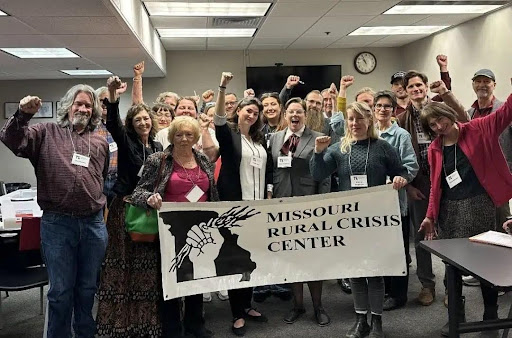
Missouri Rural Crisis Center (Norman grantee 1995–2000) was founded in 1985 as a statewide farm and rural membership organization with a mission to preserve family farms, prevent environmental degradation, and promote economic opportunity for both rural and urban communities. Their Patchwork Family Farms program provides an alternative to the industrialized food system by giving Missouri hog producers opportunities to farm traditionally and independently, connecting them directly with consumers, grocery stores, and restaurants.
PrairieFire Rural Action (Norman grantee 1992–1995) was founded in 1985 in Des Moines, IA, to organize Midwestern farm families, revitalize family farm agriculture, and cultivate a new generation of rural leaders through organizing, education, and training. In 1995, Norman provided a grant to support PrairieFire’s efforts to counter hate group activity against refugee and immigrant workers in the meatpacking industry. In 1999, the organization merged with the Iowa Farmers Union Education Foundation.
Rural Advancement Foundation (RAFI, Norman grantee 1991–1995) was founded in 1990 in North Carolina to protect family farmers from the growing power of agribusiness. In 1995, Norman funded RAFI for their poultry project that aimed to protect family farmers from exploitative contract farming arrangements that were rapidly reshaping the poultry industry.