Edison Wetlands Association lands stimulus funding for long-overdue Superfund cleanup.

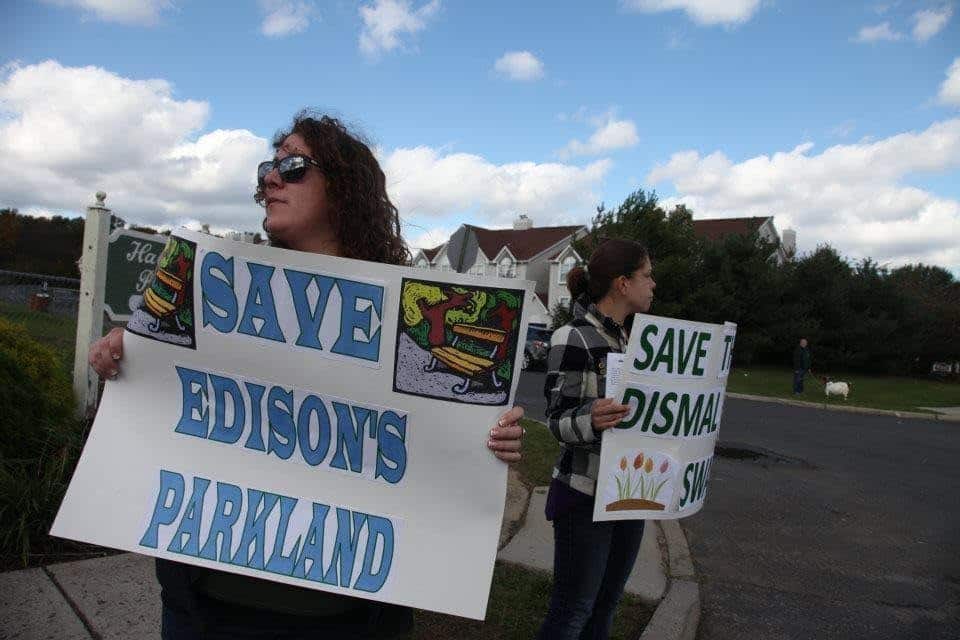
Edison Wetlands Association (EWA, Norman grantee 2008–2015) was established in 1989 to protect the public health and environment of New Jersey. In the early 2000s, New Jersey was the most contaminated state in the country, with 114 Superfund sites — federally designated areas contaminated by hazardous waste that the EPA manages and monitors — and at least 20,000 contaminated sites overall. Through their Community Assistance Remediation Program launched in 2002, EWA trains residents from low-income urban and suburban communities to demand, win, and oversee the complete cleanup of dangerous contaminated sites.
EWA achieved two major victories in 2009. First, they won the allocation of federal stimulus funds for Superfund site remediation across New Jersey, turning an economic recovery package into a tool for environmental justice and creating new jobs in the process. Their second victory was the culmination of years of work on behalf of the Ringwood community. Ford Motor Company had dumped toxic paint sludge in the 1960s and 1970s in the yards of a Ramapough-Lenape Native American and African American community; data showed that the sludge was linked to high rates of premature death, rare cancers and autoimmune diseases. Though the EPA declared the Ringwood site clean and removed it from the Superfund list in 1994, the sludge remained. EWA organized the community, won the re-listing of Ringwood on the federal Superfund list, and secured a declaration that Ford was responsible for removing arsenic from the site, forcing the company to finally take responsibility for cleanup.