
For New York’s most vulnerable children, a network of organizations provides shelter, care, and a chance at stability.
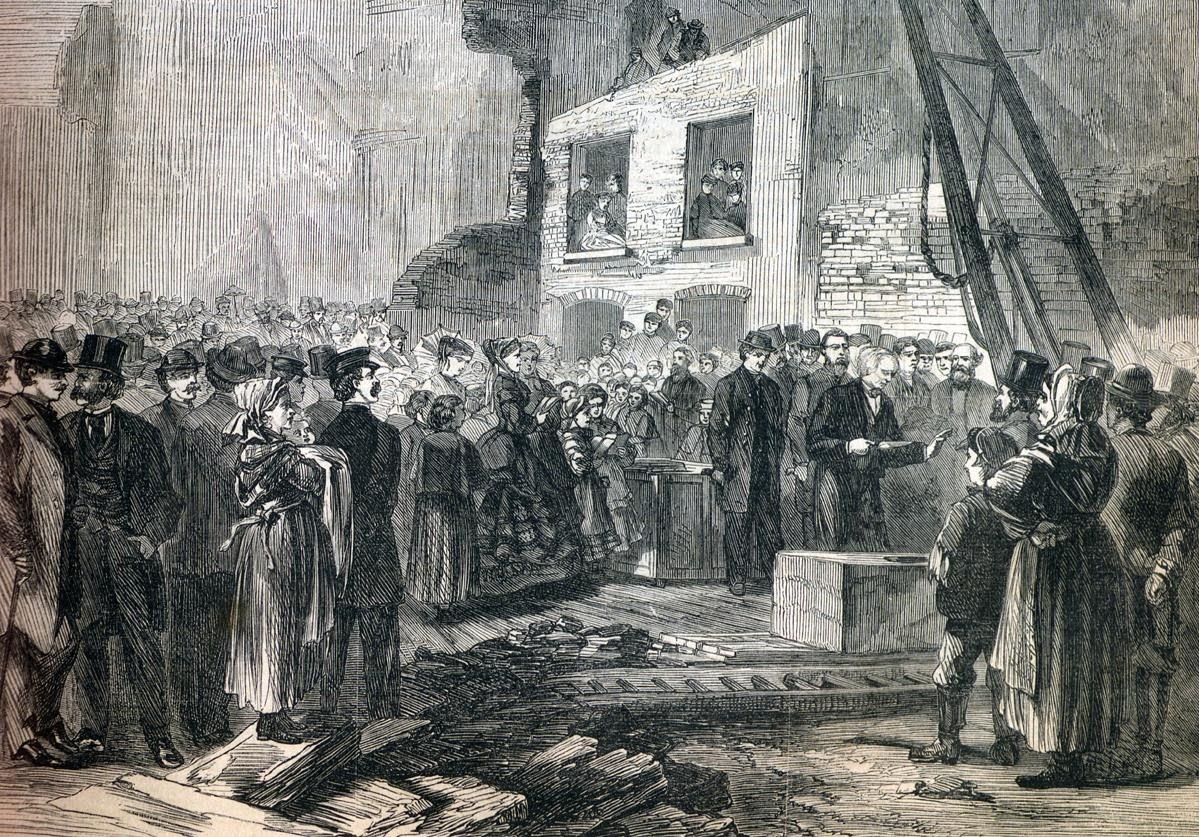
New York City in the 1930s was home to thousands of children living in poverty, on the streets, or without stable families — the casualties of the Depression, immigration, and a social safety net that barely existed. The Assistance Fund’s early giving reflected a deep commitment to the organizations stepping in to fill that gap, and a belief that every child deserved safety, care, and opportunity regardless of their circumstances.
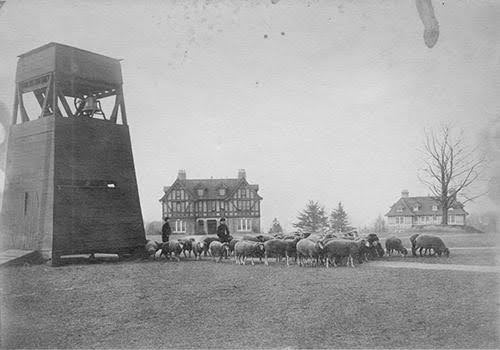
Children’s Village (Grantee 1937–1959) was founded in 1851 and is one of the oldest child welfare organizations in the country; it pioneered a residential model that prioritized therapeutic community over institutional care, and it is the first childcare agency in the United States to establish a psychiatric clinic on its campus. The Howard Mission and Home for Little Wanderers (Grantee 1937–1943) was founded in 1893 to provide shelter, care, and community to homeless and at-risk children. Inwood House (Grantee 1937–1959) provided services to young women and girls facing difficult circumstances. The Gramercy Boys Club (Grantee 1937–1943) offered a safe haven and youth development programming for boys in Manhattan.
Media:
- New York Times, June 25, 1992 article: Gramercy Boys’ Club
- Columbia University Libraries: 1861 quarterly issue of The Little Wanderer’s