Category 1970s Civil Rights/Civil Liberties

After Roe v. Wade, a network of organizations fights to make abortion rights real — not just legal — as opponents mobilize to take them away.
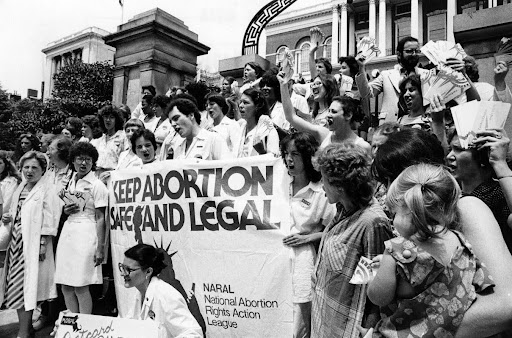
When the Supreme Court decided Roe v. Wade in 1973, it established a constitutional right to abortion, but it did not guarantee access to one. Within three years, Congress passed the Hyde Amendment, cutting off Medicaid funding for abortions. Anti-abortion…
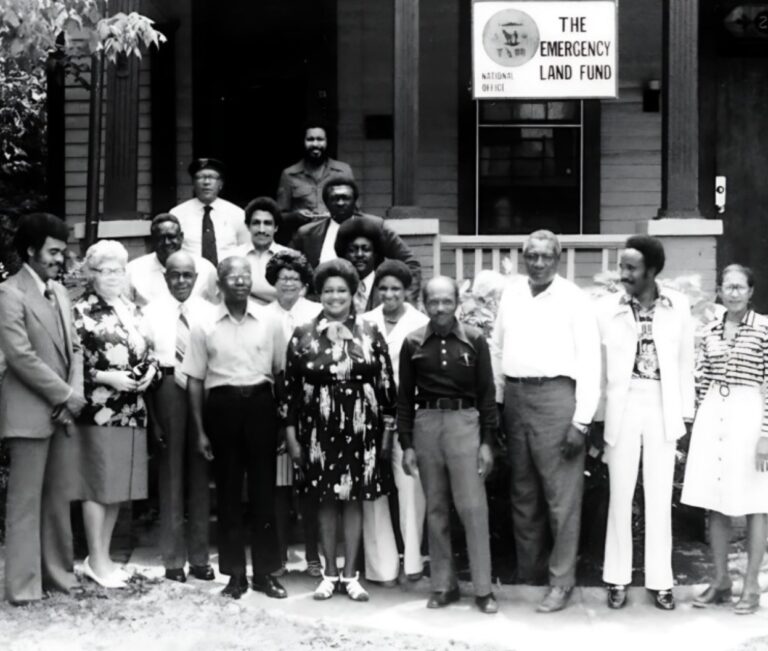
The Emergency Land Fund fights to reverse a decades-long economic catastrophe: the mass loss of Black-owned land.

Between 1910 and 1970, Black Americans lost approximately 9 million acres of farmland in the South — a staggering transfer of wealth driven not by market forces alone but by tax sales, predatory legal maneuvers, discriminatory USDA lending, and the…

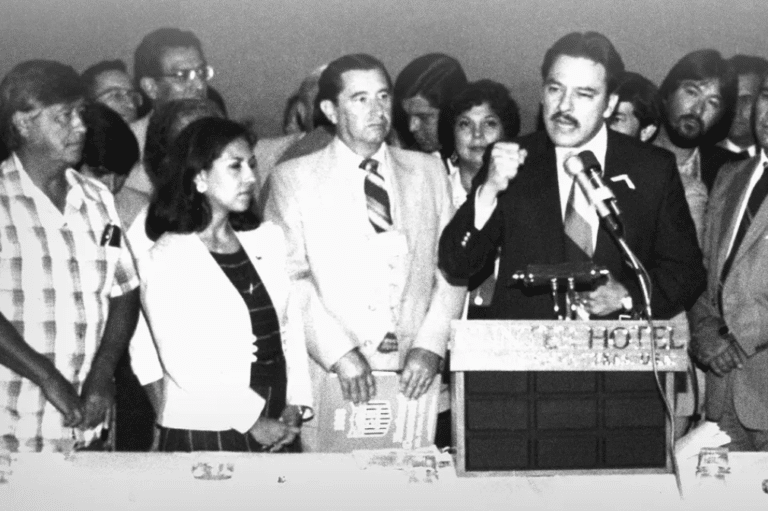
Latino voter registration and a landmark expansion of the Voting Rights Act transform political power in the Southwest.

The Southwest Voter Registration Education Project (SVREP, Norman grantee 1975–1978, 1984–1985) was founded in 1974 in San Antonio, Texas under the motto Su Voto Es Su Voz: Your Vote Is Your Voice. The Voting Rights Act of 1965 largely bypassed…

A network of civil rights lawyers takes Southern cities to court for delivering inferior public services to Black neighborhoods.

Across the South in the 1970s, a consistent and well-documented pattern had taken hold in cities and counties: local governments provided dramatically inferior public services — paved roads, streetlights, sewage systems, garbage collection — to Black neighborhoods compared to white…

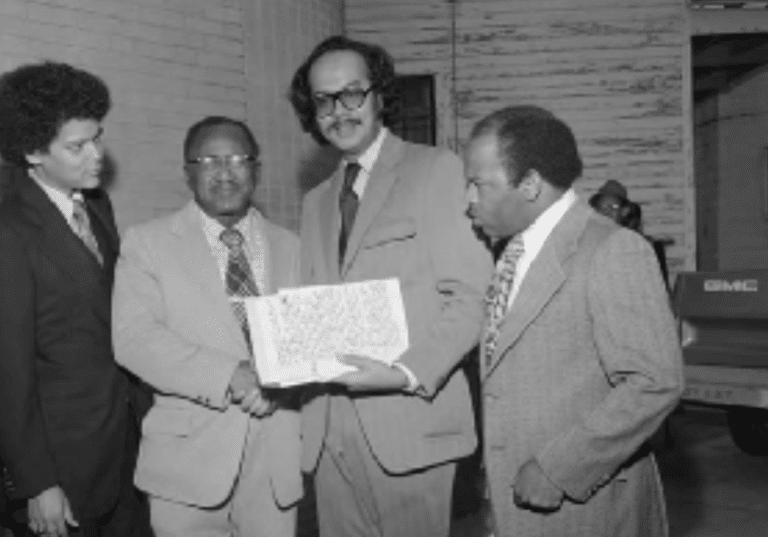
SEDFRE helps a new generation of Black elected officials govern in a South that had spent a century keeping them out of power.

The Scholarship, Education and Defense Fund for Racial Equality (SEDFRE, Norman grantee 1966–1976) was founded in 1963 to provide legal defense, scholarships, and voter registration support to the Civil Rights Movement. By the early 1970s, the movement’s hard-won legislative victories…